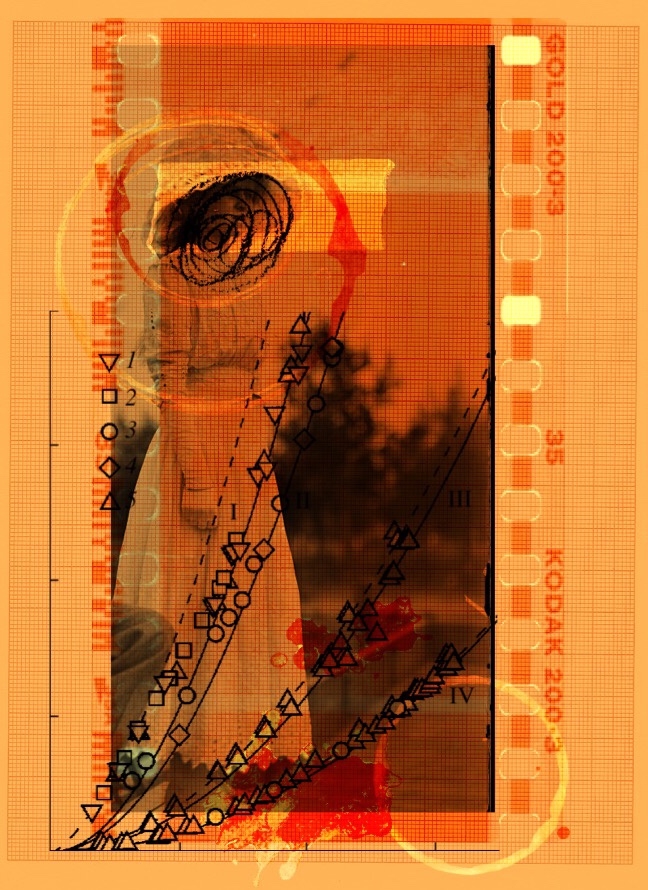
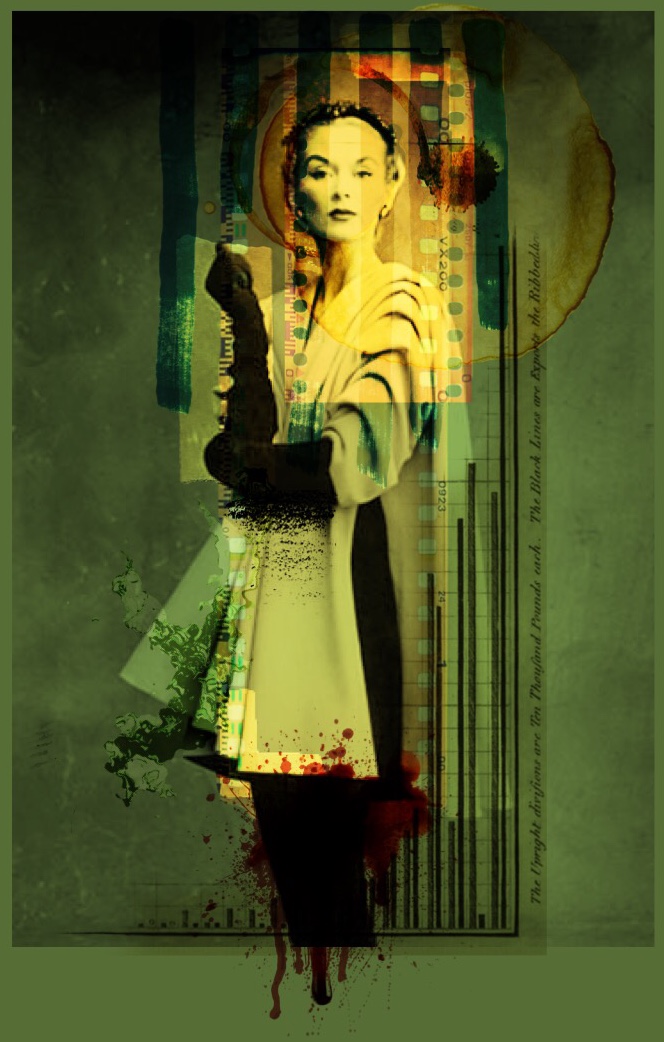
experiments in instagram poetry layout.
red // dread
in photography, poetry
experiments in instagram poetry layout.
“Hope” is the thing with feathers -
That perches in the soul -
And sings the tune without the words -
And never stops - at all -
And sweetest - in the Gale - is heard -
And sore must be the storm -
That could abash the little Bird
That kept so many warm -
I’ve heard it in the chillest land -
And on the strangest Sea -
Yet - never - in Extremity,
It asked a crumb - of me.
-emily dickinson, #314
hope, after emily dickinson (2019)
wanting (2019)
concrete poems.
explorations in
wanting—
“There’s something good about being a failure—it keeps you going.”
journal:
“honestly, I’m not really sure what ‘failure’ even means anymore. what is the definition? is it just being broke, or bored, or whatever else? is it that you tried something & it didn’t work? & if that’s it, then isn’t that basically all life is anyway?
is it that you haven’t amounted to anything? I’m not sure what ‘amounted to’ means either. maybe I just don’t know what anything means.
maybe nothing means anything? maybe it’s all just symbols for nothing & we’ve made up definitions. that’s basically what language is at least.”
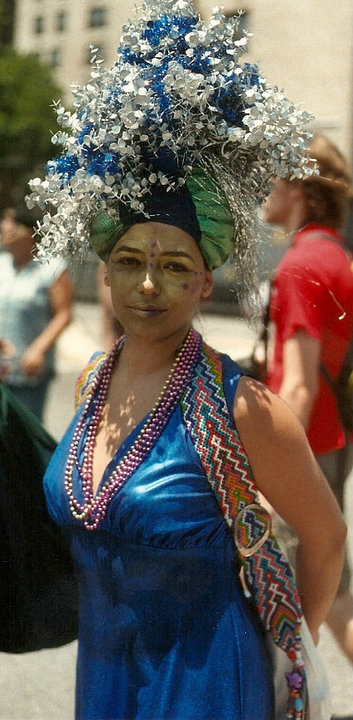
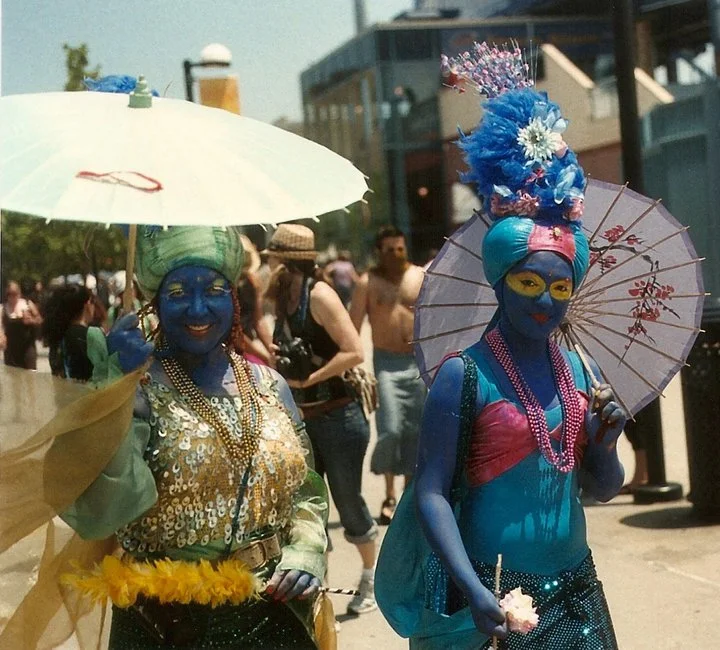
going through old photos & came across these film shots from the coney island mermaid parade. I’m not certain of the date, but I estimate it’s 2010, if the bp oil spill reference is any indicator. I didn’t attend the parade every year I lived in brooklyn, but I did go several times. always a highlight of my new york summer season.
the coney island mermaid parade began in 1983 as a launching of the summer season. it is now the largest art parade in the united states—attracting thousands of participants & even more spectators from around new york city & the world. nautical themed costumes are encouraged for viewers & required for participants. a range of contests & other festivities surround the event, including the annual crowing of a king neptune & queen mermaid. in 2019, arlo & nora guthrie received the honors.
learn more about the parade on its website.
shot on 35mm film with a vintage nikon fe.
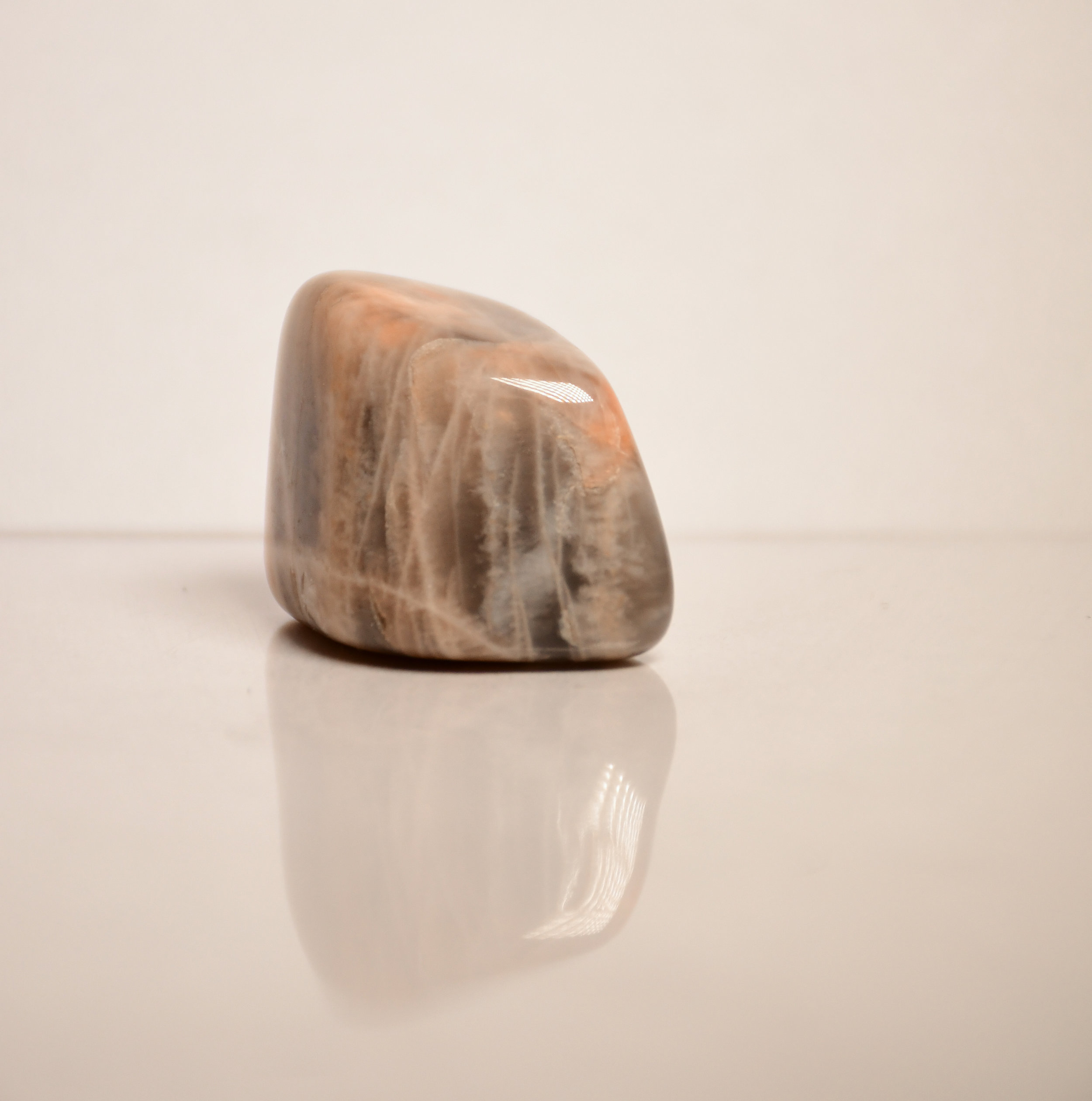

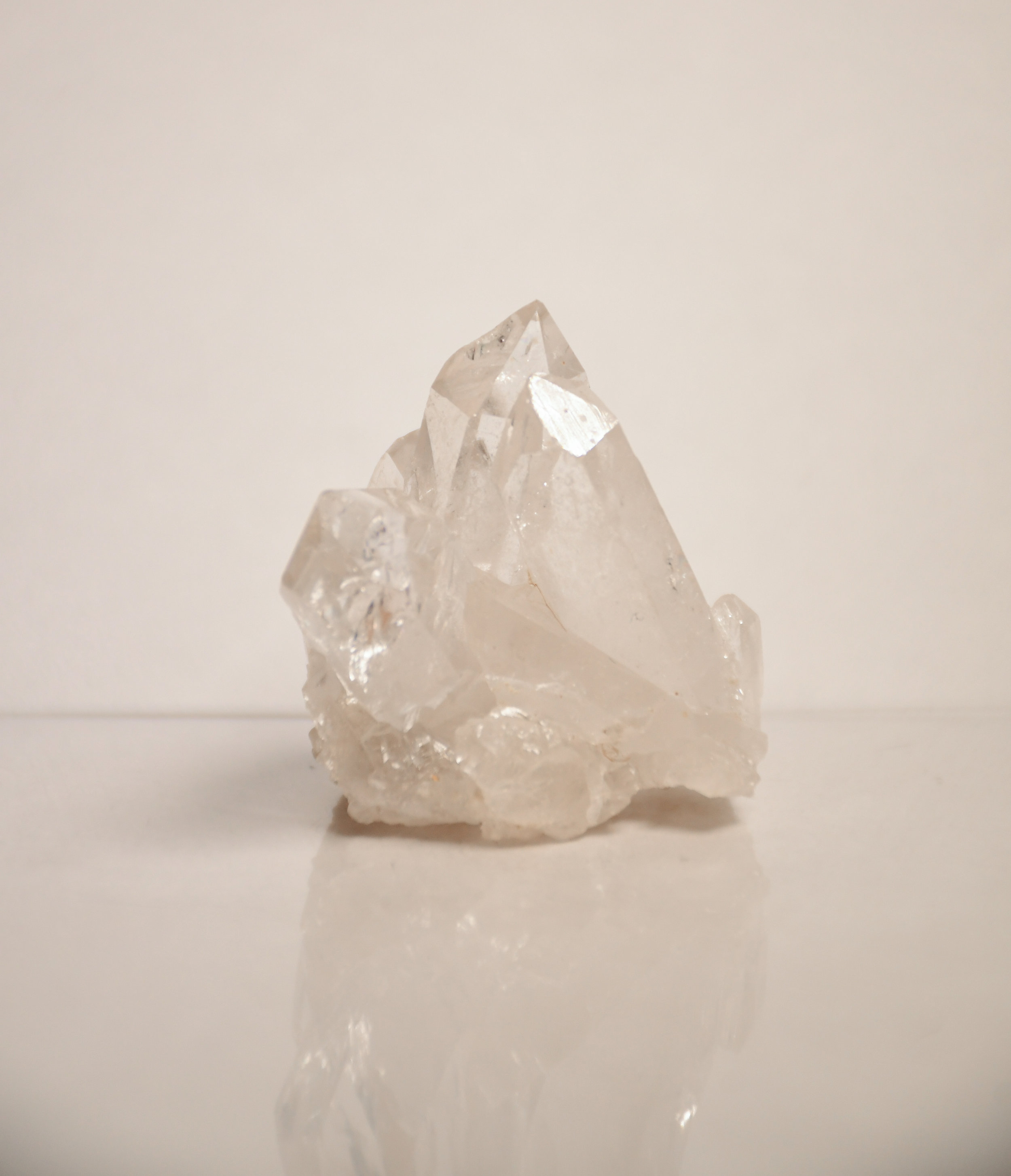
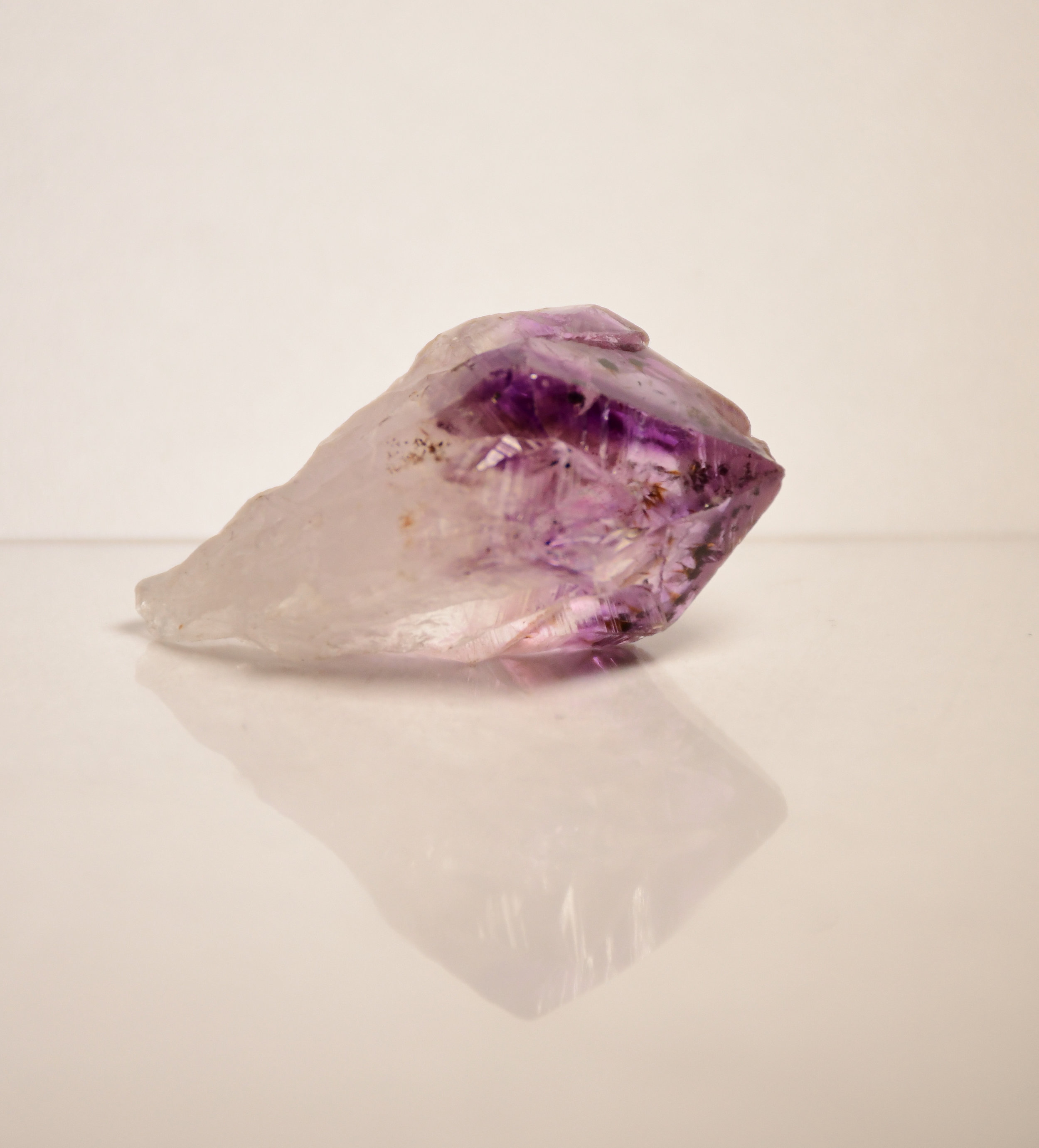
trying out some tricks I’ve been learning via youtube & instagram. filling up my product photography portfolio on raymarkmedia.com
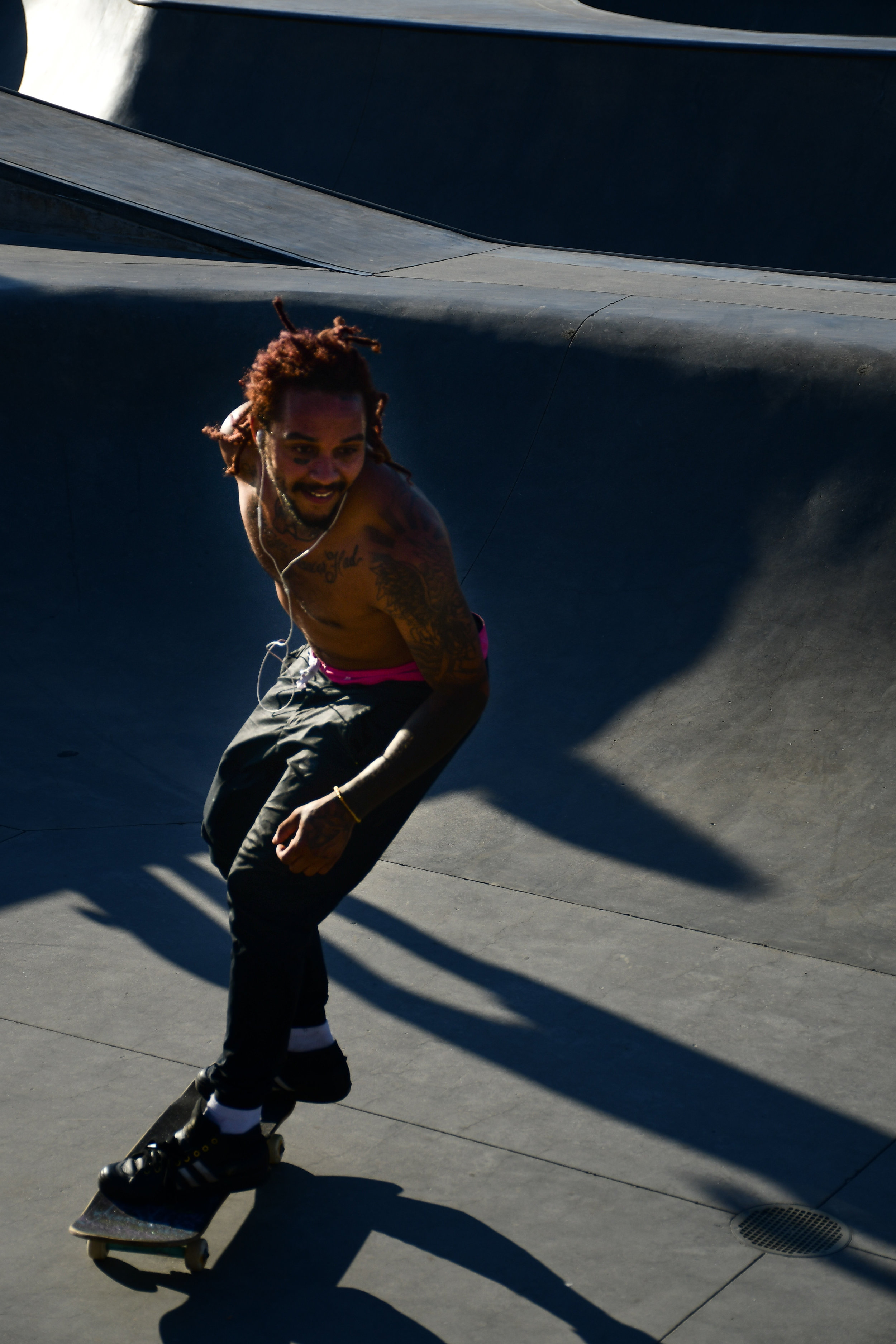
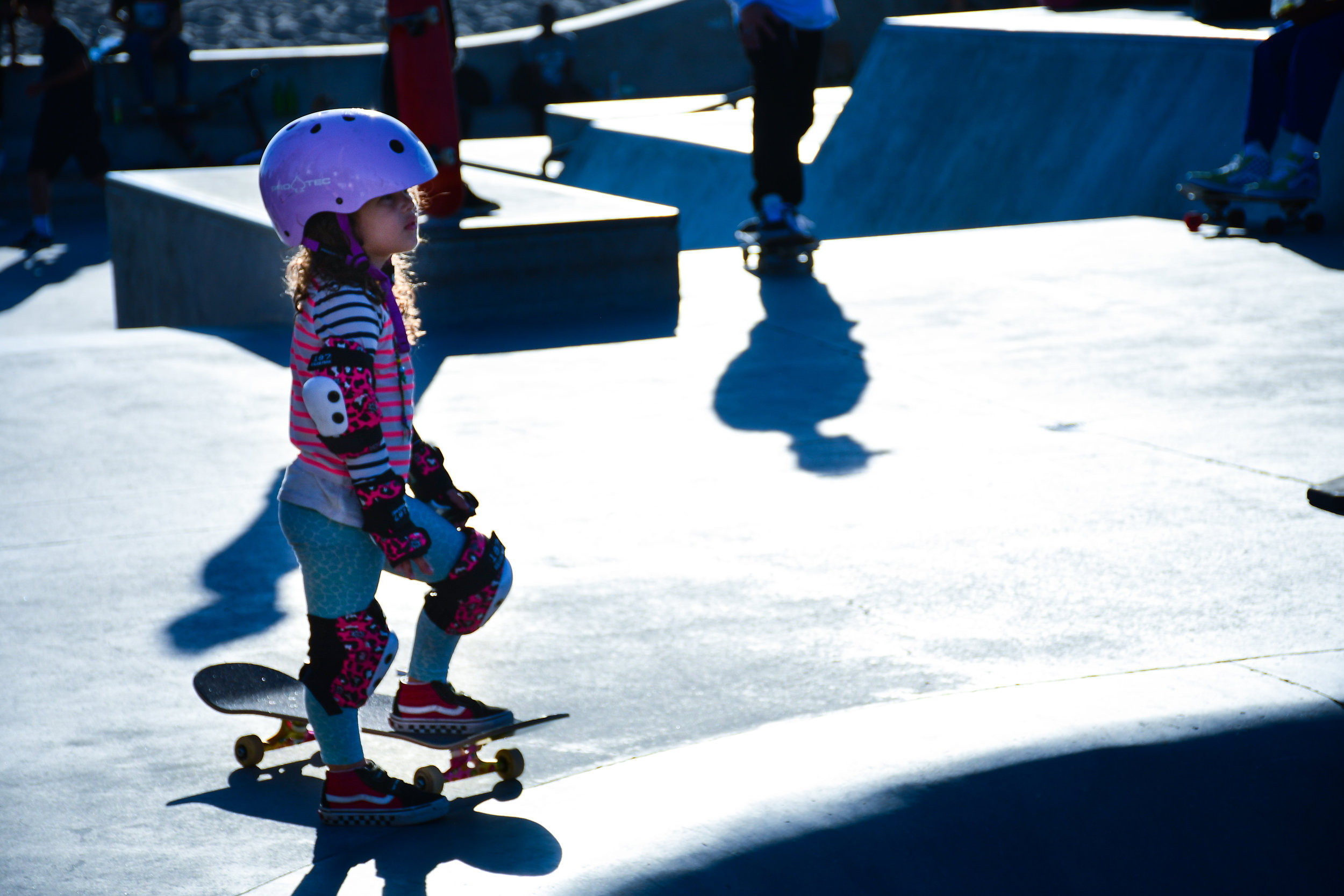
learning the art of taking photographs of people.
see updated portraits in the gallery.
follow my brand new media company, raymark media, on instagram.
or visit raymarkmedia.com as I build my portfolio.
-n
keeping secrets
I’m the part of the canvas
that’s been painted over—
another image hidden behind.
someone asks:
what would it take to reveal yourself?
& I answer with laughter
like a threaded strand of lies.
things found while strolling the hollywood hills in early summer…
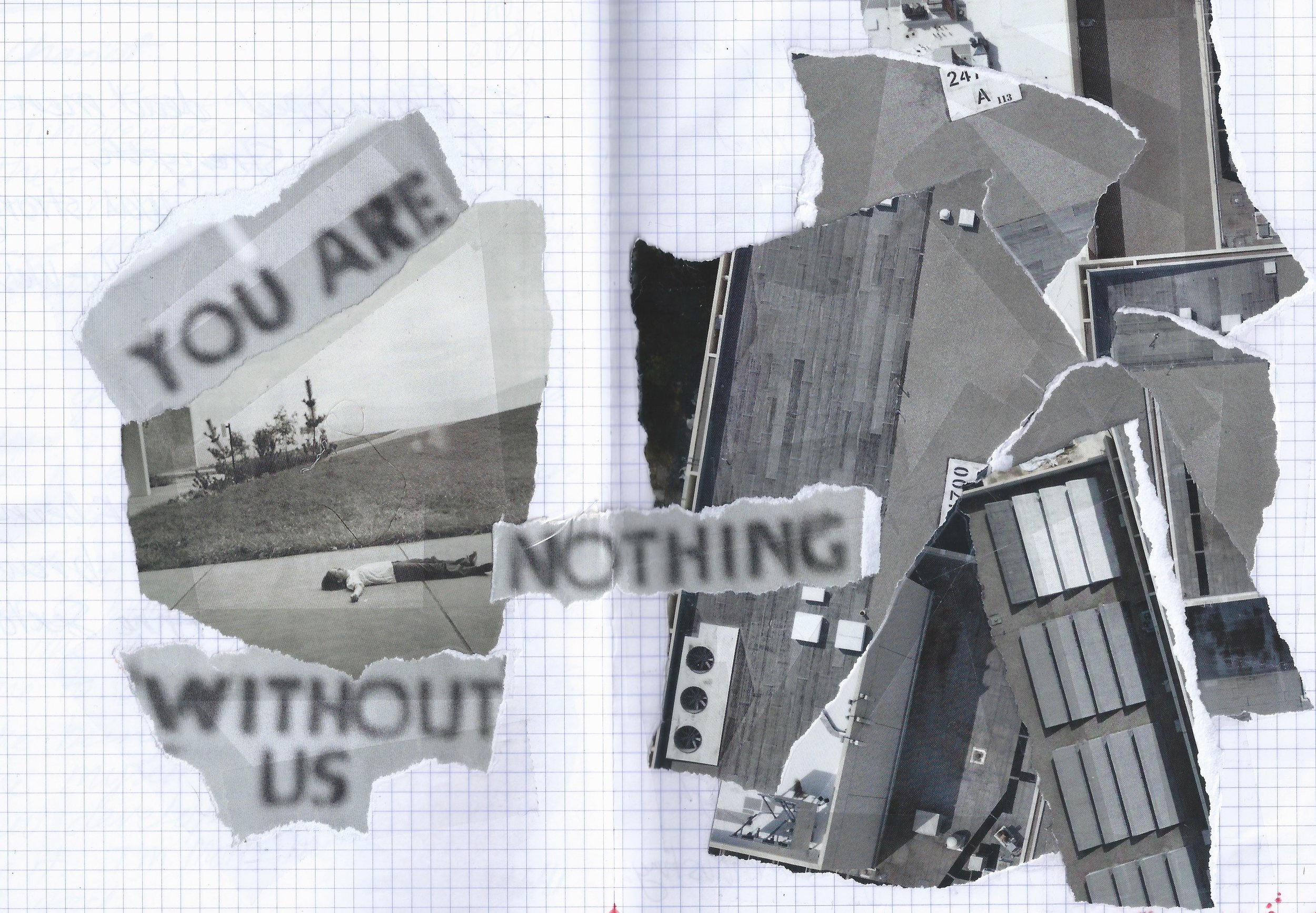
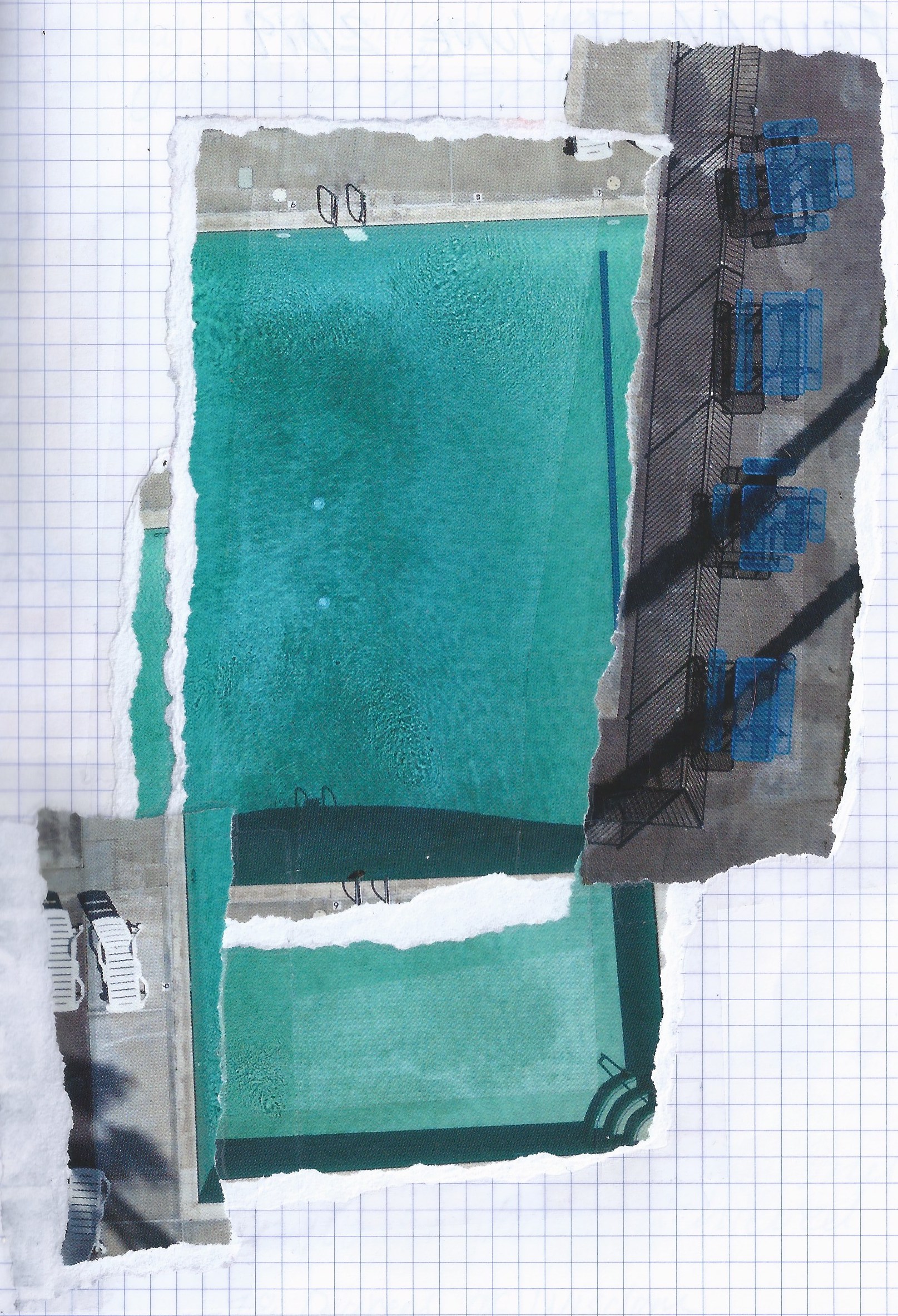
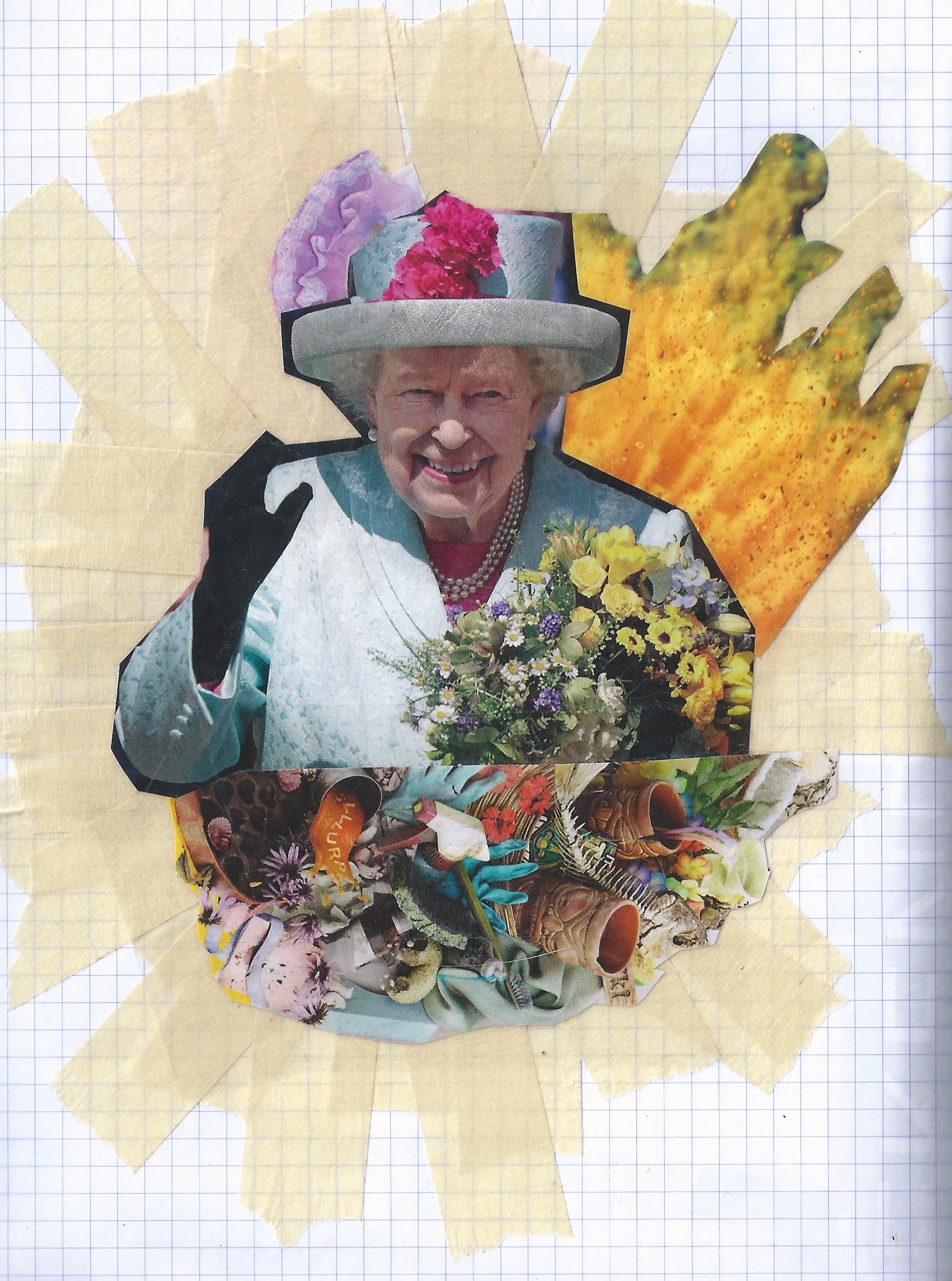

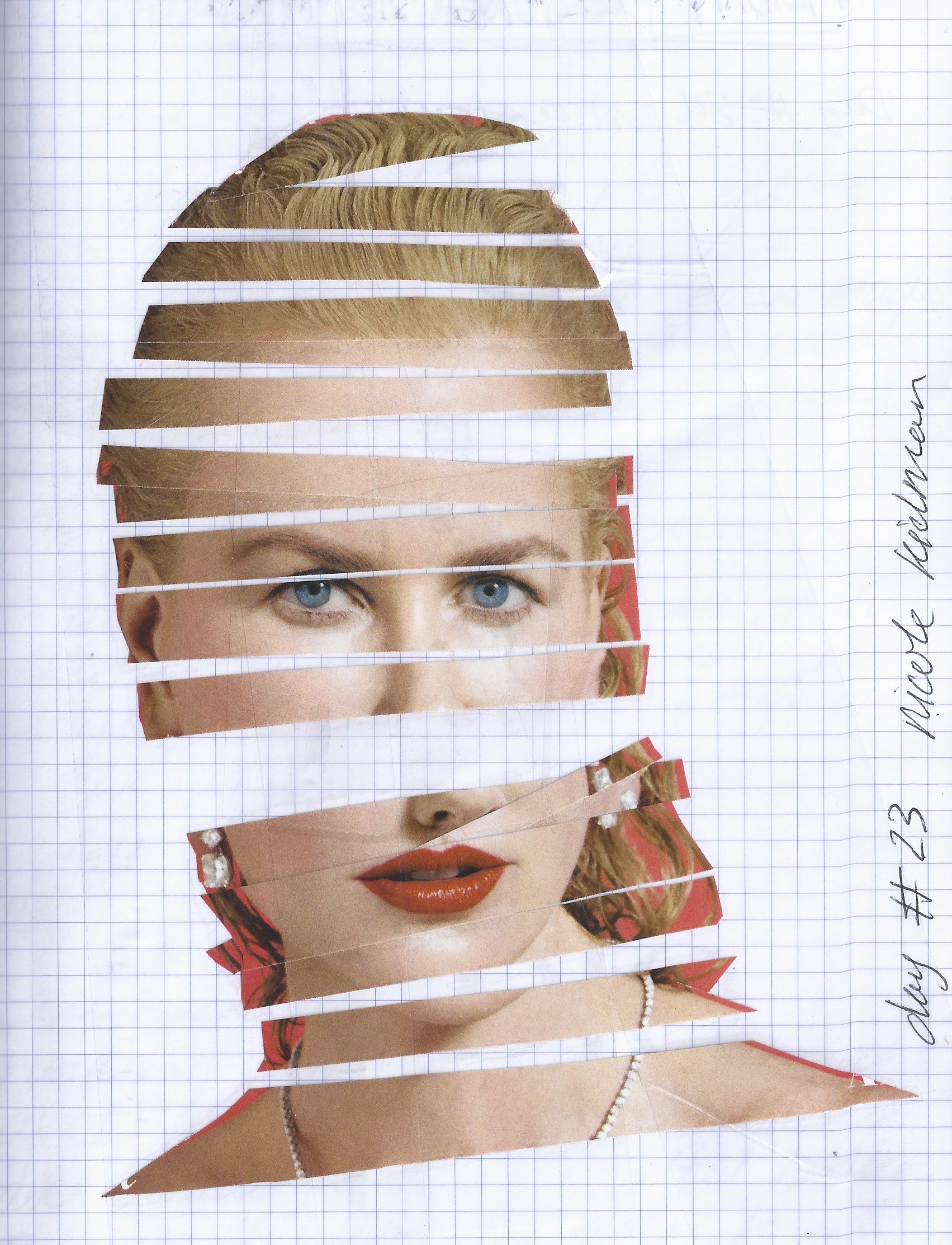
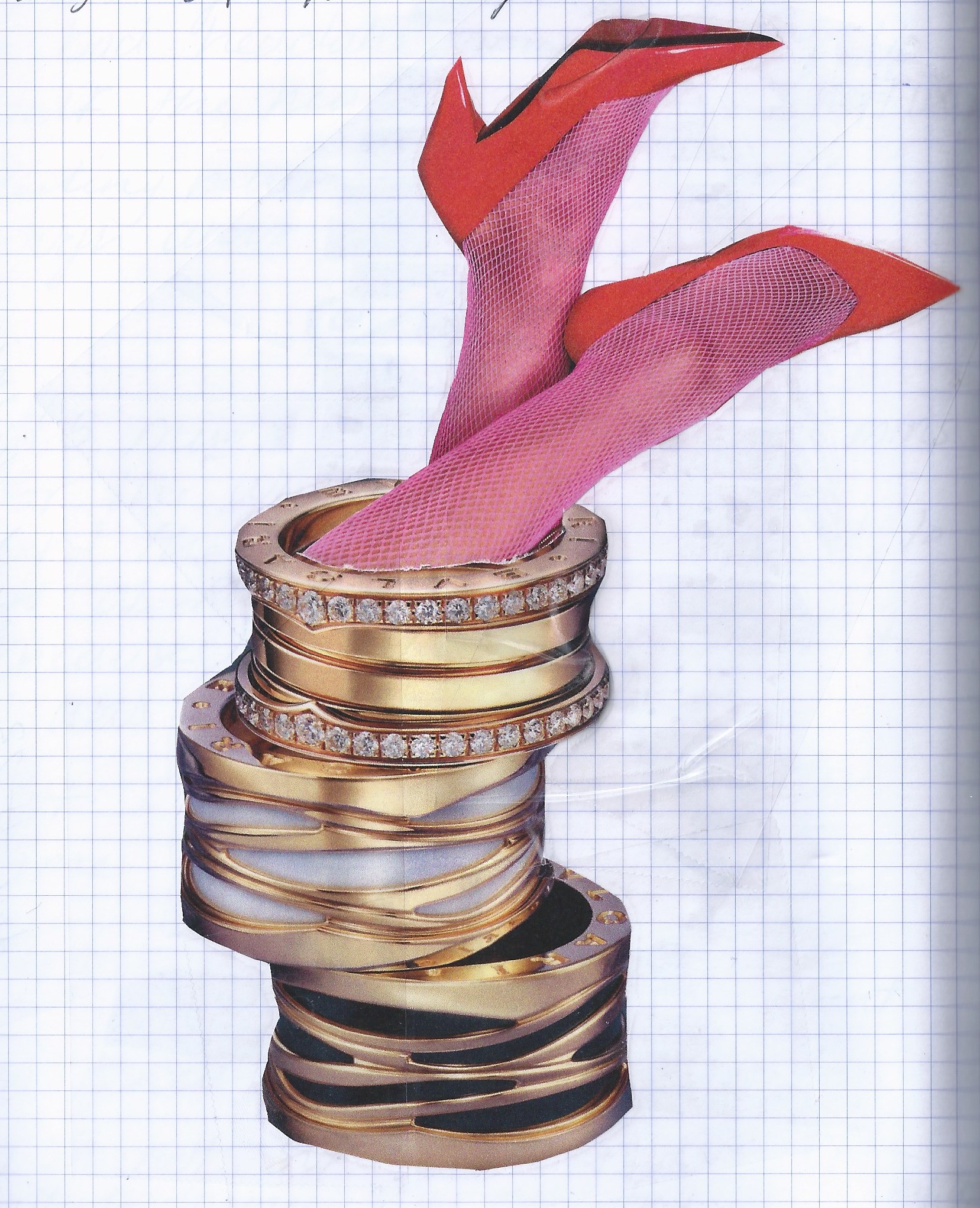
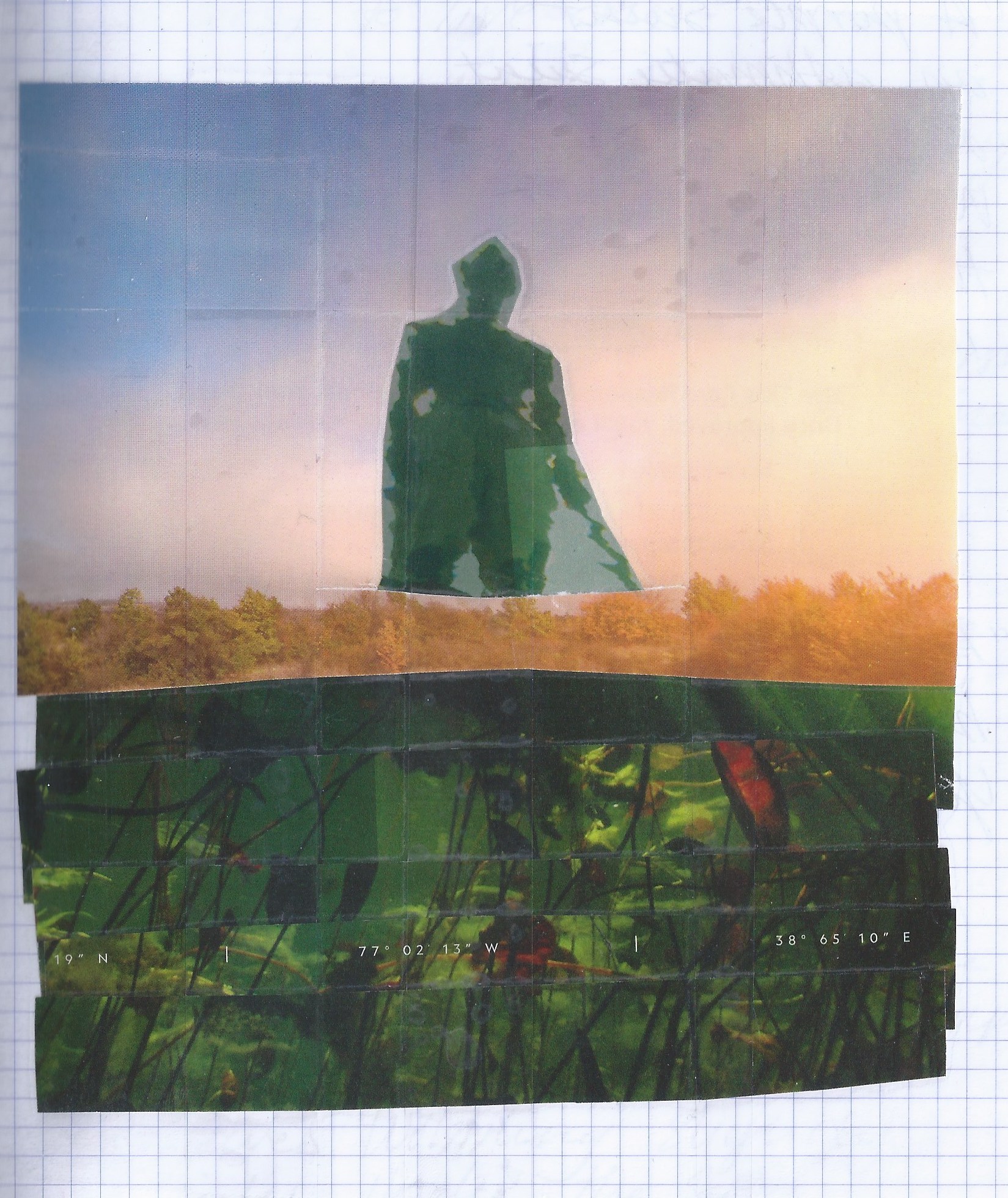
Recently I decided to do a scrap collage in my journal every day for 30 days. These are the results.
also on my instagram.
more poems in my instagram stories.
journal, mt. hollywood summit
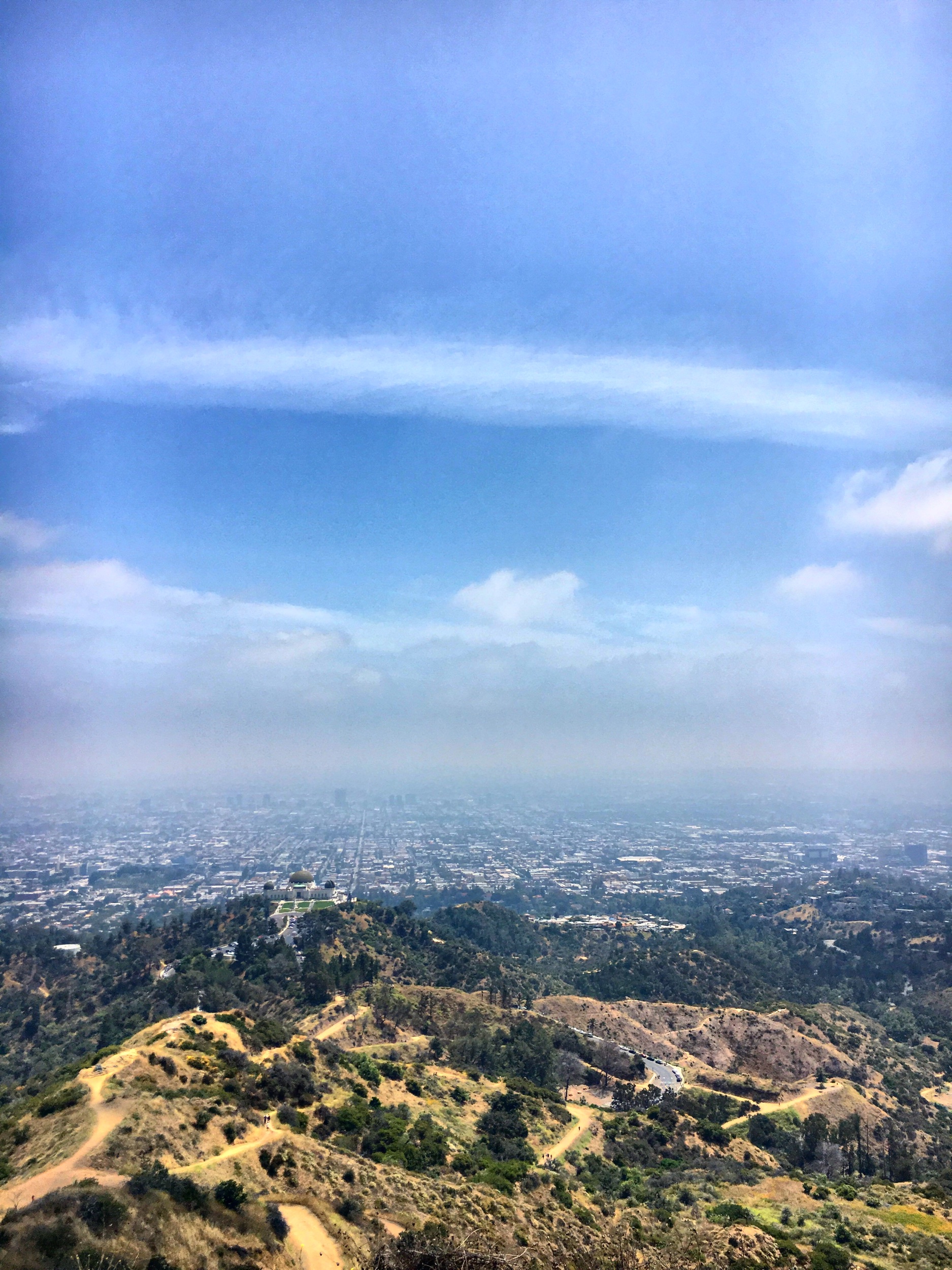
if butterflies are symbols of transformation then mt. hollywood must be a place of transformation because it’s always swarming with butterflies up here. they make me nervous.
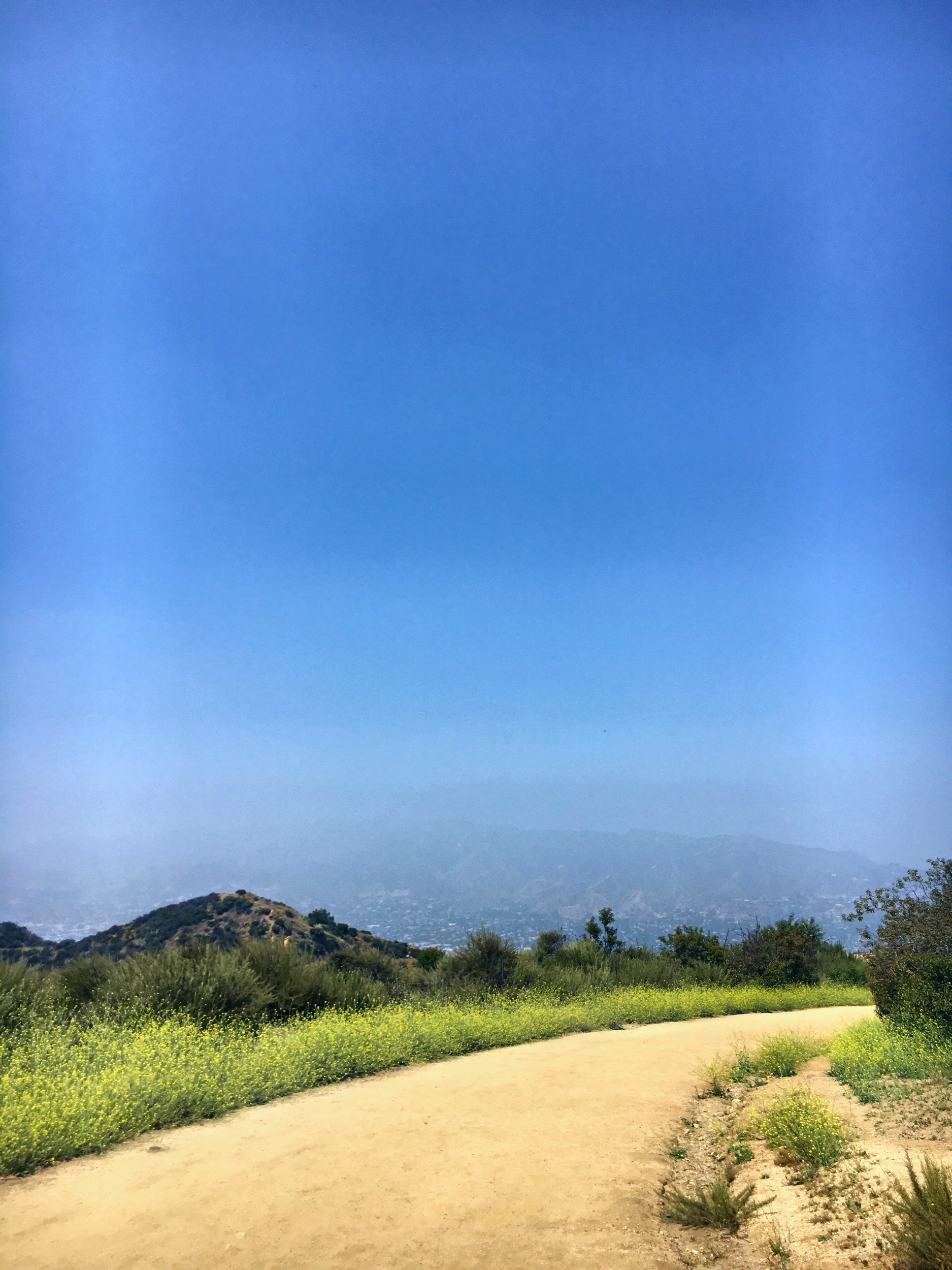
summit
I forgot
how to wear myself
comfortably draped
a swirl of cloth
tied at the elbows
& knees.
expectation of give—
I never learned
what holding firm is.
digital iphone collages, may 2019
joshua tree national park straddles both the colorado desert & the mojave desert in eastern california. the park was originally declared a national monument in 1936 & re-designated a national park in 1994 after congress passed the ‘california desert protection act’. taking up nearly 800,000 acres, the park itself is slightly larger than the state of rhode island. joshua tree is named for its trademark vegetation, the yucca brevifolia, which is native to the mojave desert.
I spent the morning a few days ago wandering the California Poppy Reserve, despite almost 35 mile per hour winds! The superbloom happening in Southern California right now, however, was more than worth the chapped lips & wind-whipped hair.
Put together a short video (of very wobbly windy footage) of my explorations. Look for more photos & videos from this gorgeous adventure on my instagram in the coming weeks.
+++
The Antelope Valley California Poppy Reserve in Lancaster, California is home to the most consistent blooming of the state's flower, the California poppy. The department of California State Parks does not water or stimulate the flowers in any way, instead leaving the blooms in their strictly natural state. It is against state law to remove flowers from the site & veering off the established paths can result in a hefty ticket. The traditional blooming season for California Poppies is mid-February through mid-May.
The so-called "superbloom" of 2019 was caused by an increase in rainfall during the winter months in Southern California. Parking on-site at the reserve, which is currently open 7:00am-7:00pm, is $10 per passenger vehicle, or you can opt to park on the shoulder of the road for free, provided you are at least 100 feet away from the park's entrance.
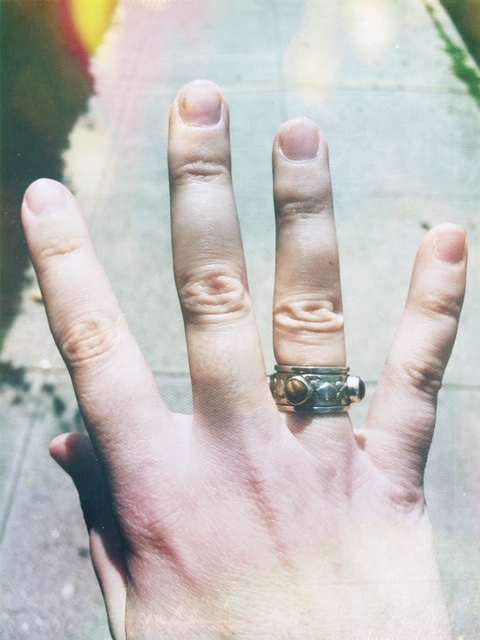
tiger’s eye
bringer of bright &
light to shadow places.
level headed like
a picture properly held.
solid enough to build
houses but still a kind
of breeze between trees.
One afternoon out of sheer curiosity I decided to google the origin story of Los Angeles’ Griffith Park. At first it was unremarkable, a large tract of land donated to the city by a wealthy resident. But it didn’t take much digging to discover the strange & violent history of LA’s most famous public space. I took that curiosity & created this little short documentary exploring the weird early life of this landmark & the man who made it possible.
You can read the full narration text plus additional information (there was too much weird stuff to fit into just one 3 min video!) in my earlier blog post. & remember: the history of your local haunts is often weirder than you can even imagine.
red self portrait (2018) + text from ‘lady lazarus’ by sylvia plath.
I’ve spent the last few weeks learning the strange & sometimes sordid history of Griffith Park & it’s namesake, Griffith J. Griffith, for a short documentary I’ve been working on. As is usually the case, much of my research for the film didn’t make it into the final cut, so I thought I’d share it here along with a couple of photographs I’ve been having a fun time “vintage-ing” up. It’s fun to think of LA in a bygone era. The history of this place is especially interesting to me because LA so frequently stands in for somewhere else. Sometimes I think that means we forget it has its own quirks.

Griffith Park’s initial 3015 acres were donated to the city of Los Angeles on December 16th 1896 by the wealthy industrialist Griffith J. Griffith. He had originally purchased the land to host an ostrich farm which he intended to use to lure Los Angeles area residents to his nearby housing development.
Born in Wales in 1850 Griffith immigrated to the united states at age 15. By 1873 he was living in San Francisco & managing a local publishing company. In 1878 he became a mining correspondent for a local newspaper. He would eventually use his knowledge of mining to amass a large fortune, estimated to be upwards of 1.5 million dollars at the time of his death.
Married to Mary Agnes Christina Mesmer in 1887, he had one child, a son born in 1888.

Well known for his philanthropy, he donated the land for his eponymous park as what he called a “Christmas present” to the city. Stipulating that it must be “made a place of rest & relaxation for the masses,” Griffith told the City Council “I consider it my obligation to make Los Angeles a happy, cleaner, & finer city.”
On September 3rd 1903 his pristine reputation was tarnished when, while vacationing in Santa Monica, he shot his wife Mary in the head. The shot did not kill her, but she was permanently disfigured & lost her right eye. Griffith was charged with assault with a deadly weapon with intent to commit murder. During his trial Mary revealed in her testimony that Griffith, who was generally thought to be a teetotaler, was actually a secret alcoholic who had frequent paranoid delusions.
He was found guilty of the lesser charge of assault & spent just two years in prison for the crime. During his incarceration, Mary was granted a divorce on the grounds of cruelty & full custody of their son. As part of the settlement, the court required Griffith to pay for the boy to attend Standford University. Mary Griffith’s divorce decree was awarded after a record breaking 4 minutes of deliberation.
In 1912, Griffith donated a large sum of money to the city of Los Angeles earmarked for the construction of an observatory, theatre, & children’s camp in the park. Because his conviction, the park council refused the donation on moral grounds. The money, however, remained in a trust until it was eventually used for the construction of the Greek Theatre in 1930 & Griffith Observatory in 1935. The theatre was initially underused & spent some time as a barracks during World War II. Griffith Observatory is perhaps one of the most well known projects of the Works Progress Administration—the New Deal project begun by FDR in the wake of the Great Depression. The observatory’s famous Astronmer’s Monument was built in connection with the Public Works of Art Project, a division of the WPA which specifically sought to employ artists for the “embellishment” of public buildings. One of the five sculptors on the project, George Stanley, was also the creator of the now infamous Oscar statuette.
Throughout his life Griffith frequently used the title “Colonel”, though there are no official military records of his having achieved this rank. His only record of service was with the California National Guard.
Griffith J. Griffith died of alcohol related liver disease in 1919, leaving the bulk of his fortune to the city of Los Angeles. He is buried in Hollywood Forever Cemetery.
Griffith Park is one of the largest urban parks in the United States.