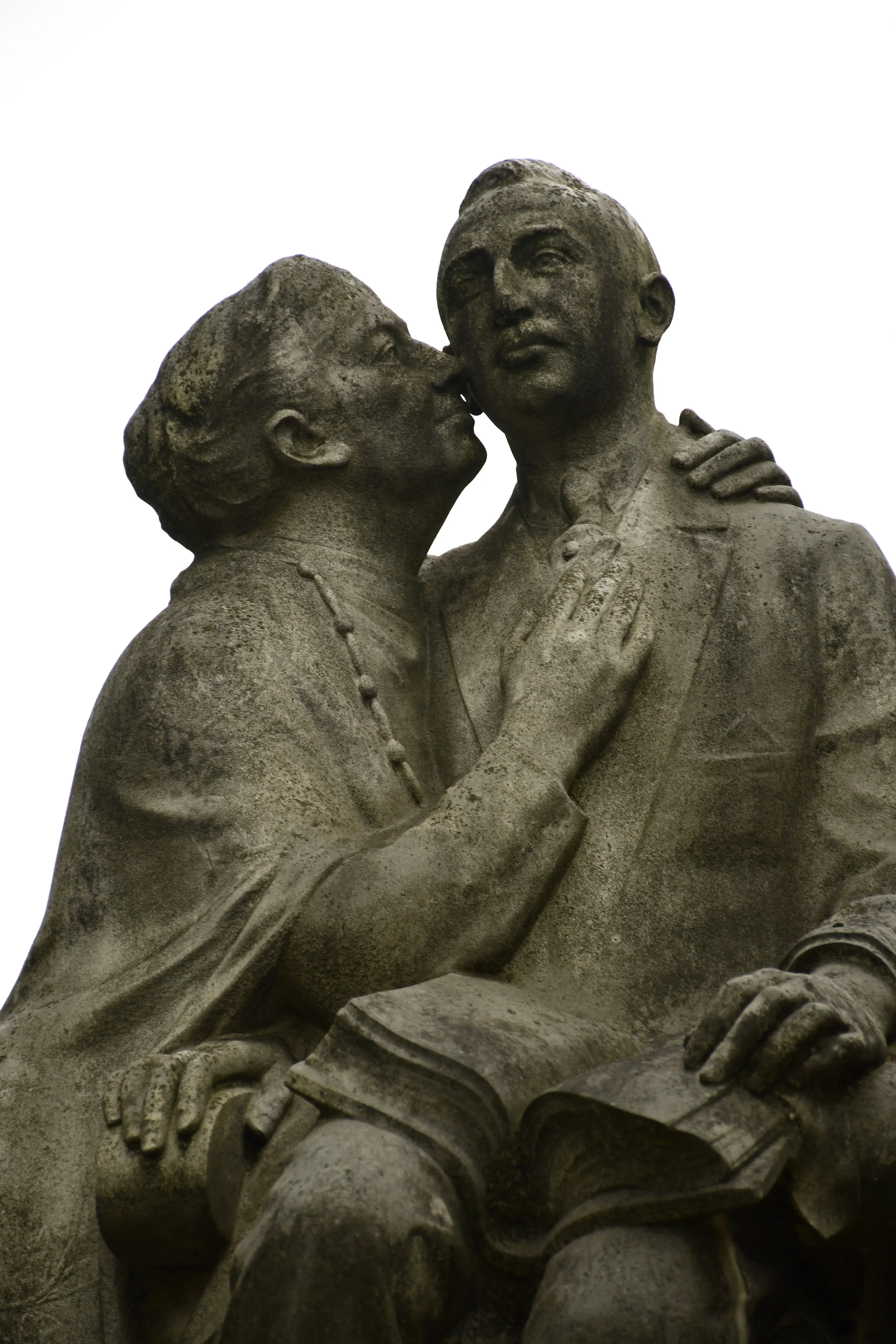
red self portrait (2018) + text from ‘lady lazarus’ by sylvia plath.
Ashes
in diary
red self portrait (2018) + text from ‘lady lazarus’ by sylvia plath.
I’ve spent the last few weeks learning the strange & sometimes sordid history of Griffith Park & it’s namesake, Griffith J. Griffith, for a short documentary I’ve been working on. As is usually the case, much of my research for the film didn’t make it into the final cut, so I thought I’d share it here along with a couple of photographs I’ve been having a fun time “vintage-ing” up. It’s fun to think of LA in a bygone era. The history of this place is especially interesting to me because LA so frequently stands in for somewhere else. Sometimes I think that means we forget it has its own quirks.

Griffith Park’s initial 3015 acres were donated to the city of Los Angeles on December 16th 1896 by the wealthy industrialist Griffith J. Griffith. He had originally purchased the land to host an ostrich farm which he intended to use to lure Los Angeles area residents to his nearby housing development.
Born in Wales in 1850 Griffith immigrated to the united states at age 15. By 1873 he was living in San Francisco & managing a local publishing company. In 1878 he became a mining correspondent for a local newspaper. He would eventually use his knowledge of mining to amass a large fortune, estimated to be upwards of 1.5 million dollars at the time of his death.
Married to Mary Agnes Christina Mesmer in 1887, he had one child, a son born in 1888.

Well known for his philanthropy, he donated the land for his eponymous park as what he called a “Christmas present” to the city. Stipulating that it must be “made a place of rest & relaxation for the masses,” Griffith told the City Council “I consider it my obligation to make Los Angeles a happy, cleaner, & finer city.”
On September 3rd 1903 his pristine reputation was tarnished when, while vacationing in Santa Monica, he shot his wife Mary in the head. The shot did not kill her, but she was permanently disfigured & lost her right eye. Griffith was charged with assault with a deadly weapon with intent to commit murder. During his trial Mary revealed in her testimony that Griffith, who was generally thought to be a teetotaler, was actually a secret alcoholic who had frequent paranoid delusions.
He was found guilty of the lesser charge of assault & spent just two years in prison for the crime. During his incarceration, Mary was granted a divorce on the grounds of cruelty & full custody of their son. As part of the settlement, the court required Griffith to pay for the boy to attend Standford University. Mary Griffith’s divorce decree was awarded after a record breaking 4 minutes of deliberation.
In 1912, Griffith donated a large sum of money to the city of Los Angeles earmarked for the construction of an observatory, theatre, & children’s camp in the park. Because his conviction, the park council refused the donation on moral grounds. The money, however, remained in a trust until it was eventually used for the construction of the Greek Theatre in 1930 & Griffith Observatory in 1935. The theatre was initially underused & spent some time as a barracks during World War II. Griffith Observatory is perhaps one of the most well known projects of the Works Progress Administration—the New Deal project begun by FDR in the wake of the Great Depression. The observatory’s famous Astronmer’s Monument was built in connection with the Public Works of Art Project, a division of the WPA which specifically sought to employ artists for the “embellishment” of public buildings. One of the five sculptors on the project, George Stanley, was also the creator of the now infamous Oscar statuette.
Throughout his life Griffith frequently used the title “Colonel”, though there are no official military records of his having achieved this rank. His only record of service was with the California National Guard.
Griffith J. Griffith died of alcohol related liver disease in 1919, leaving the bulk of his fortune to the city of Los Angeles. He is buried in Hollywood Forever Cemetery.
Griffith Park is one of the largest urban parks in the United States.
Last year I wandered out into the California high desert with the idea to shoot a little silent film taking place after the end of the world. Lucky for me, my extremely talented friend Alex Elliott also thought a day climbing around an old lava flow in the middle of nowhere covered in dirt sounded like a good time & so this little film was born. My first effort at filmmaking with my Nikon DSLR—I learned a lot about exposure, wind noise, & how to get creative & shoot around large quantities of hikers to make a very busy area look abandoned!
Finite follows the last person alive after an apocalyptic event has eliminated the rest of the human race. Alone & wandering the empty landscape for over a year she has finally decided to take control of what remains of her life. More info>>
Thanks for watching & please let me know what you think!
el matador beach, malibu
the ocean is angsty today. churning & brown like dirt & dried blood.
the wind blows me about like a strip of burnt fabric.
the sea birds eye me warily.
I’m wary too. raw like the charred branches left behind as skeletons in the most recent fire. I let the salt waves slip over my feet—healing I think.
I have three crystals for my heart. I let the ocean cleanse them.
may the salt purify our wound.
I walk back to my car barefoot, picking around the broken glass & sharp edged rocks. I am sharp. I’ve broken off a long forgotten bottle. the soles of my feet anticipate the prick of sudden pain. I keep walking.
I remember walking barefoot & sandy alongside the rocky road between the beach & my grandparents cabin as a child. tired & parched from the cold sun. my skin pinked from the chill of pacific. the solitary cold didn’t bother me then.
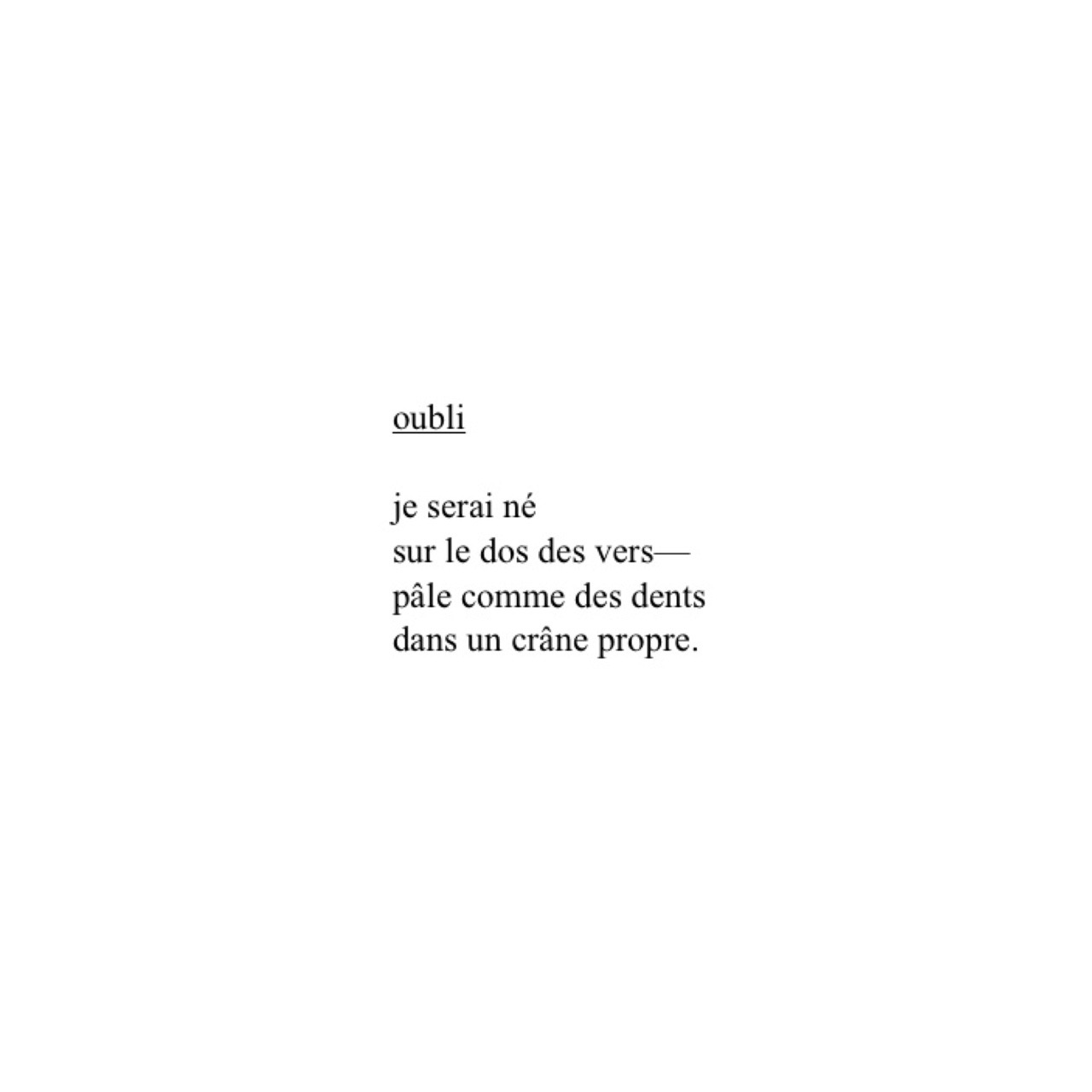
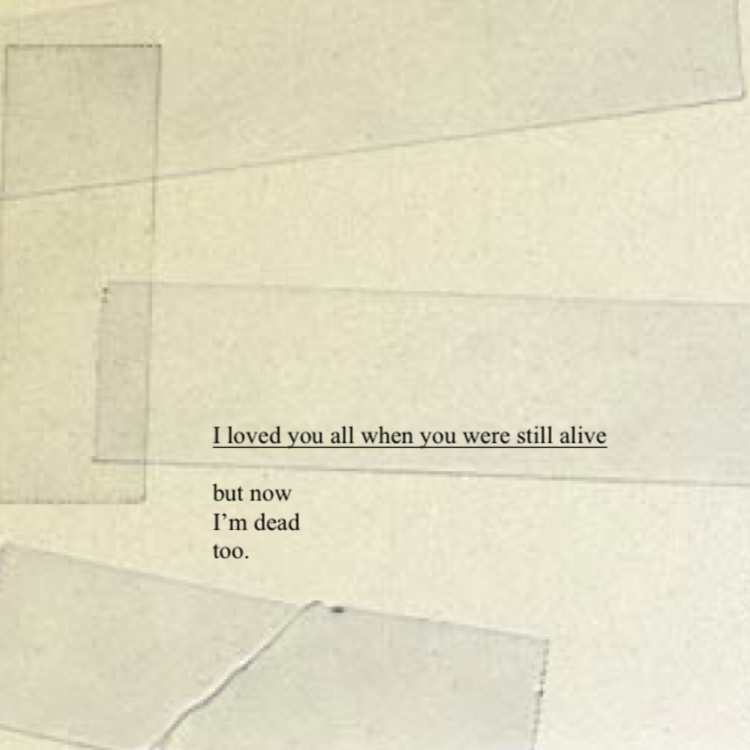
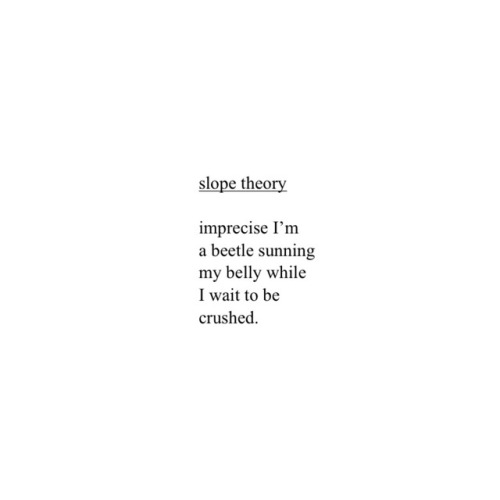
Since February 2017 I’ve been writing a new poem every single day. Recently I’ve been thinking about when & how my poem-a-day project should end & I think two years is a nice symmetrical number. 730 total poems. Today is the day. Poem-a-day is done!
The project initially began because, after I finished my MFA, I felt like I wasn’t being creative enough in my daily life, & my creative muscles were shrinking. The poems became little warm up exercises for my poet brain, just to get the juices flowing. As an avid journal keeper I’m used to processing life events through words, but the poems also gave me space to examine the things that happened to me over the past two years. Really they gave me space to think & chew on ideas.
I like to joke that 99% of the daily poems are terrible. They were more about the process of doing & practice than being any “good”. But I do still have my favourites. The poem-a-day tumblr will stay up at poemadaydoctoraway.tumblr.com if you feel inclined to explore it. I’ll continue writing poetry of course, & have reserved a highlighted instagram story for new compositions, @natalie_raymond. Below are some of my fave pieces from the project.






Founded in the 90’s in Berkeley, California, Amoeba Music is the world’s largest independent music chain. The San Francisco location, in the infamous Haight-Ashbury district, occupies over 24,000 square feet inside a former bowling alley. Opened in 2001, the Hollywood location on Cahuenga & Sunset Blvds instantly became a landmark, with its distinctive architecture & entire second floor dedicated to DVDs.
In 2018 Amoeba Hollywood faced eviction, as land owners decided to tear down the store to make way for a slate of luxury high rises after its lease ends in early 2019. The record giant plans to move to a new, albeit smaller, location nearby in Hollywood sometime this year.
Begun as a WPA project in 1933, Griffith Observatory opened to the public in the spring of 1935. in accordance with the will of its benefactor, Griffith J. Griffith—who donated the surrounding 3000 acres of land to the city of Los Angeles in 1896—admission to the observatory is, & always has been free. Upon its completion, Griffith Observatory was only the third planetarium in the United States. Closed for major renovations from 2002 to 2006 the observatory is one of the most recognized landmarks in Los Angeles.
Mr. Griffith donated the funds for both the observatory & Griffith Park’s Greek Theatre. His donation, however, was blocked by the park council after his image as a philanthropist was tarnished when he attempted to murder his wife in 1903. He would eventually spend only 2 years in prison for the crime. A secret alcoholic for much of his life, Griffith died of liver disease in 1919 leaving the bulk of his fortune to the city of Los Angeles.
the fire burns against the water
the fire burns against the sea.
I wake in hills surrounded by kindling
I wake in california breeze.
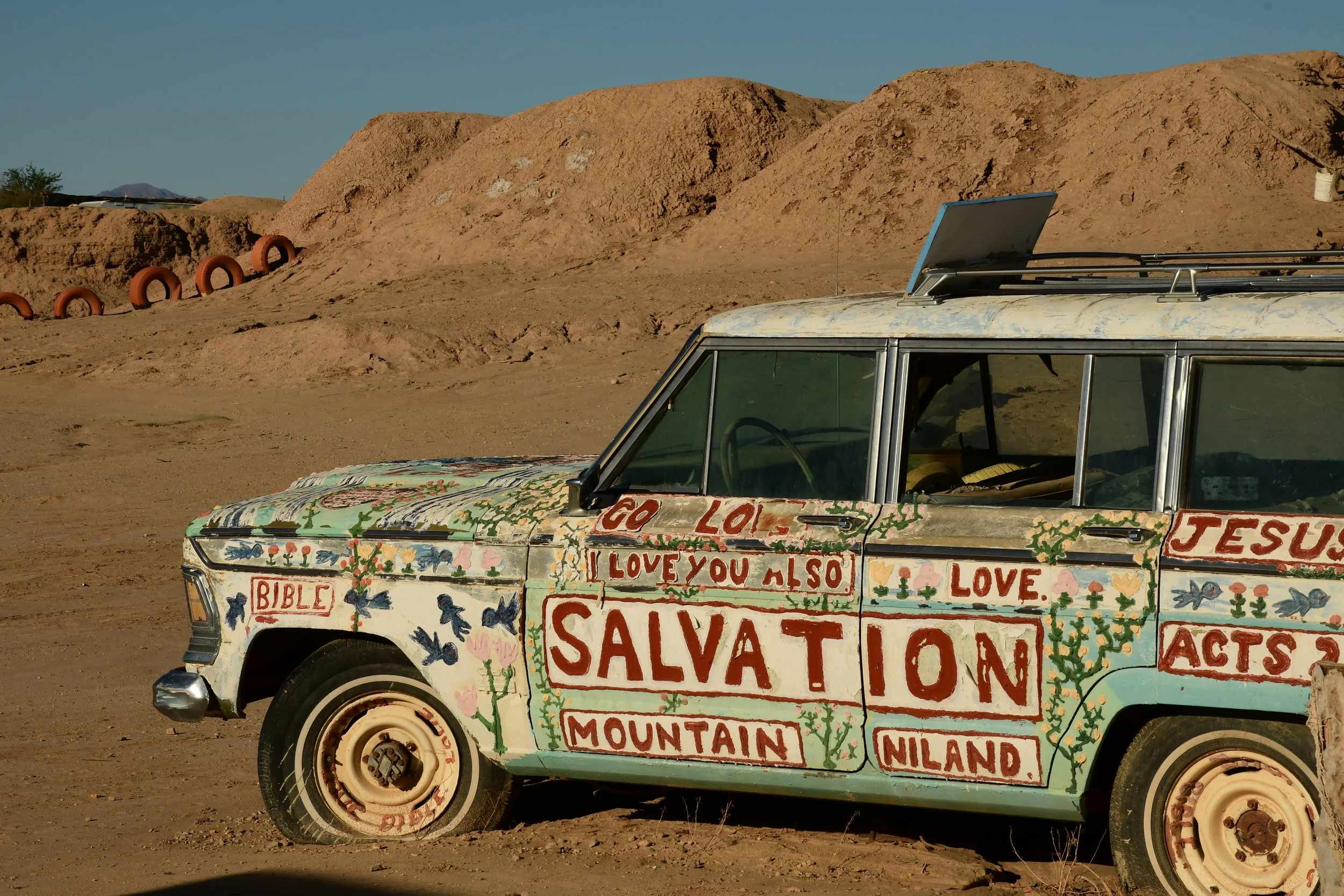
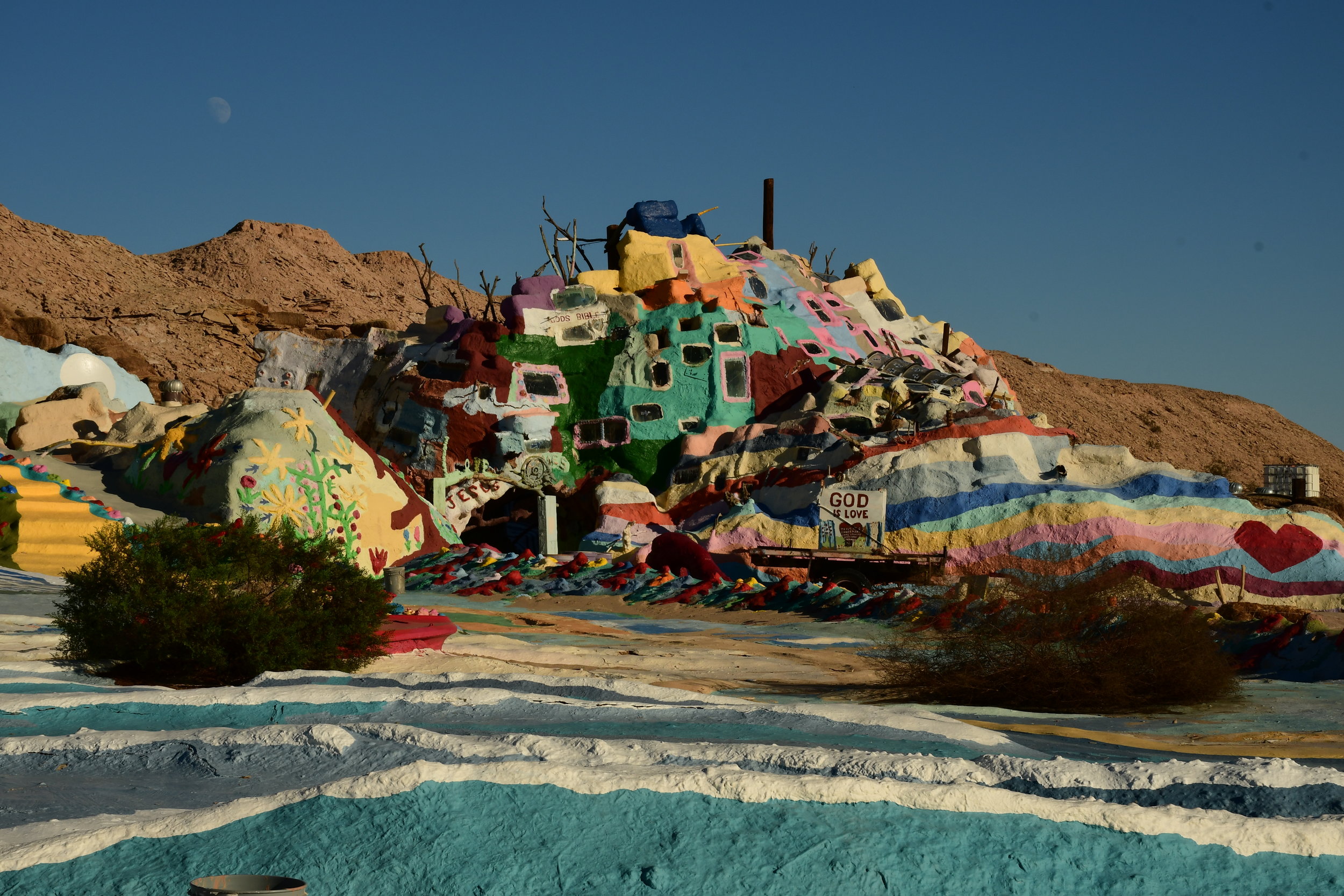
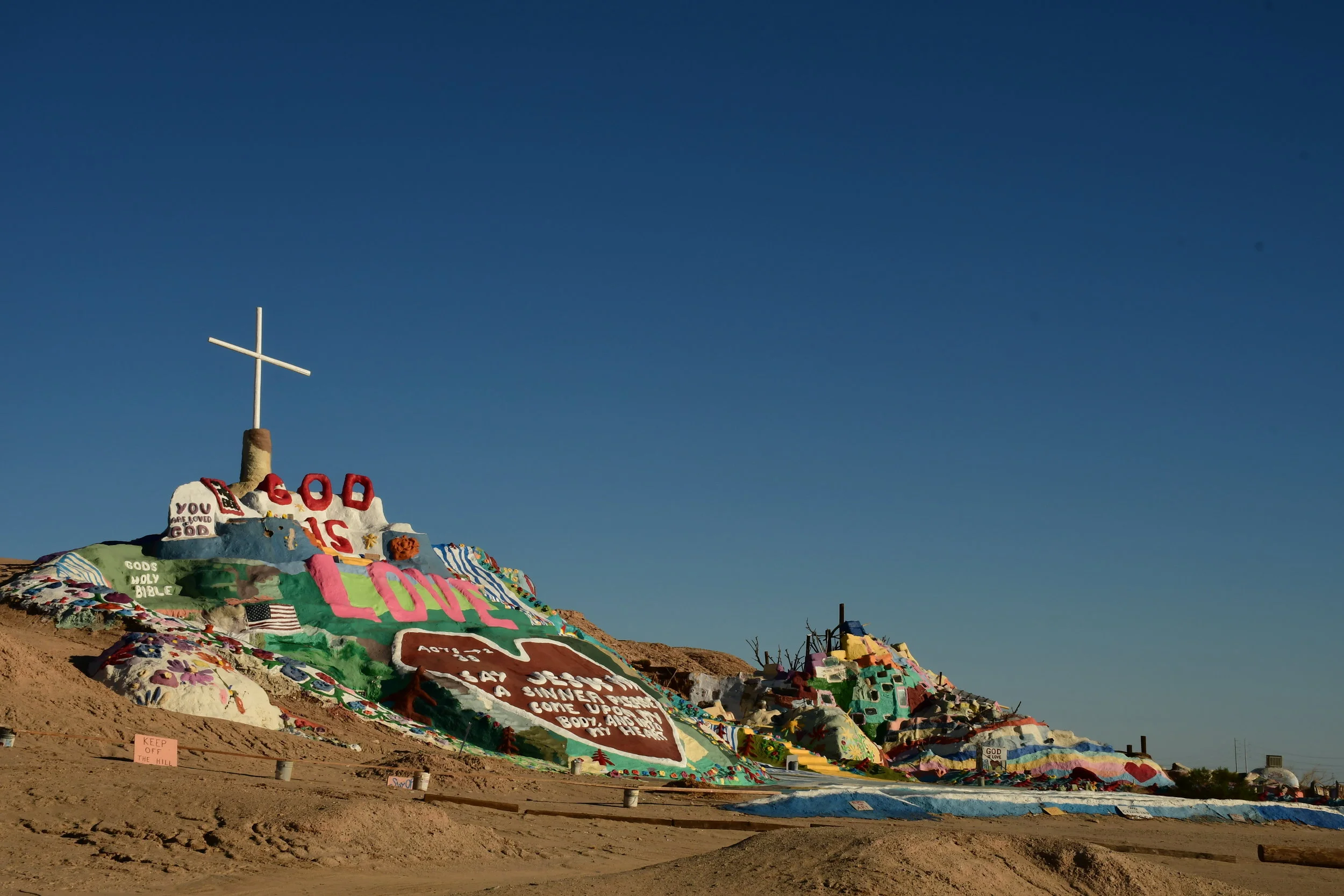
Salvation Mountain, deep in the California desert, is what’s known as a “visionary environment” or an extensive art installation intended to express the intense personal experience of its creator. This monument, built & maintained by Leonard Knight until his death in 2014, is built of adobe, straw, & literally thousands of gallons of lead-free paint.
The philosophy of the site hinges on the Sinner’s Prayer, an evangelical Christian term referring to a prayer of repentance. In creating the mountain, Knight felt he had been called by God to share His love.
The site is now maintained by a rag-tag collection of volunteers, most of whom live in the surrounding desert area known as “Slab City”.
At low tide you can walk all the way around the island of Le Mont Saint Michel in the sticky silt. There are tiny details, from chains & pipes to dead creatures revealed only when the sea is out.
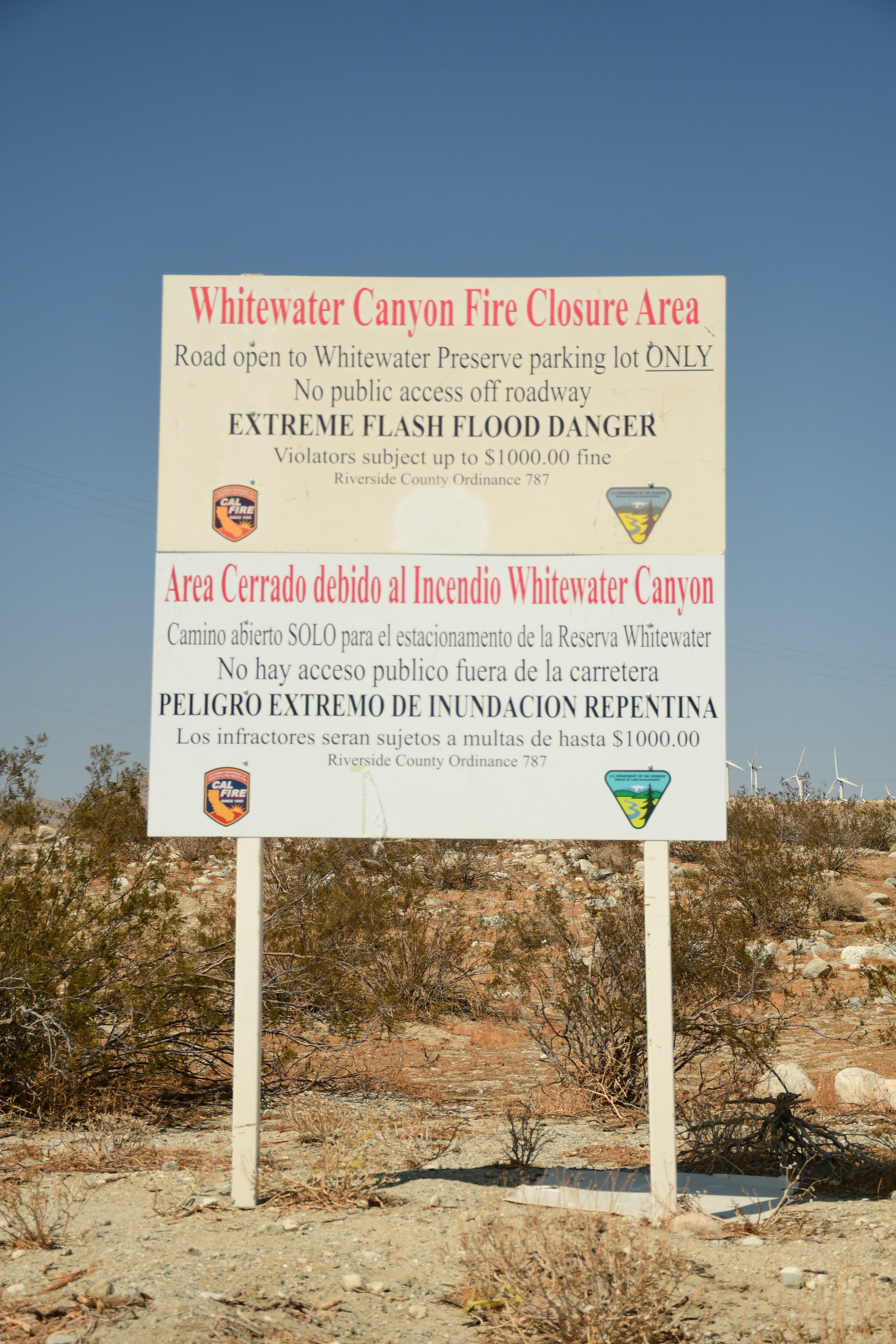
A census-delegated place in California’s Riverside county, Whitewater began as a watering stop for travelers on the Bradshaw Trail between San Bernadino & the Arizona Territory in 1862. Still home to a small population, Whitewater is now known for its trout farm in the Whitewater river canyon.
Due to the effects of recent wildfires, the popular swimming hole in Whitewater river along interstate 10 is closed to the public. But the signs warning of imminent flash flood danger & high penalty fines don’t stop intrepid visitors from jumping in for a refreshing dip.
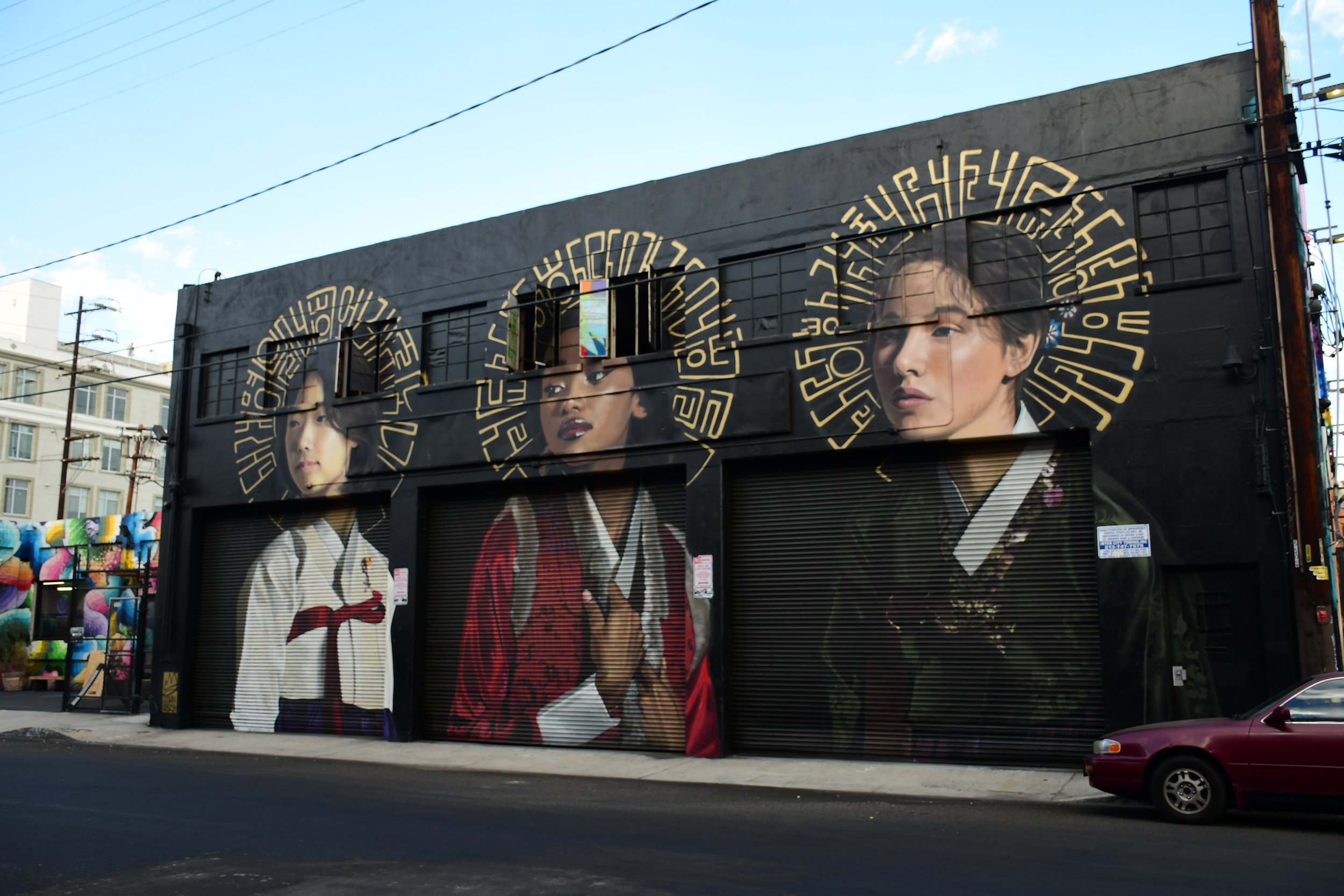
the arts district is a once gritty neighbourhood on the eastern edge of LA’s downtown. formerly an industrial area with buildings that date to the early 20th century, the arts district is now home to art spaces & cafes, as well as repurposed factory & warehouse buildings.
the transformation of the area began in the mid 70’s when a group of california based artists saw potential in the empty industrial buildings & began converting them into studios & commercial spaces. by the 1980’s the city of LA created a special “artist in residence” zoning variation to regulate the often unsafe conditions of the repurposed buildings.
because much of the area was originally abandoned its rise doesn’t qualify as traditional “gentrification”, though the area’s popularity is increasing right alongside the rents on the live/work spaces it is known for. by 2014 the average annual income of arts district residents was $120,000.
a collection of photographs from my recent trip to mecca, california; an unicorporated community on the northern shore of the salton sea.
mecca california is an unincorporated community along the north shore of the salton sea in southern california's colorado desert. the sea & the surrounding settlements are almost directly on top of the famed san andreas fault.
the area surrounding the salton sea had a short life as a resort town in the 1950's, but the ever-increasing pollution of the lake all but ended tourism in the area. the sea is now surrounded by the sun bleached corpses of fish & water birds poisoned by its toxic waters, as well as the remains of shops, resorts, & motels either totally abandoned or repurposed by the community's handful of current residents.
In my self-directed photography studies I find much overlap between photographic concepts & poetic concepts. I make notes as I read:
Photographer Robert Frank said that when people looked at his photographs he wanted them “to feel the way they do when they read a line of a poem twice”. I think there must be some fundamental link between photography & poetry. After all they are both a type of image making.
The etymological meaning of the word poetry is “something fashioned or made” which seems to me to be exactly what a photograph is as well. Richard Avedon said; “All photographs are accurate. None of them is the truth.”
When you freeze a moment, either in words or pictures, you make it into something unto itself. It’s not life but it’s also not not life. A simulacrum of being?
Perhaps poetry was the first kind of photography—before the camera existed. Suspending moments in blank air.
We make a poem to understand what words can do. We make a picture for the same reason. “I photograph to find out what something will look like photographed.” - Garry Winogrand.
“I see poetry as the medium most similar to photography… or at least the photography I pursue. Like poetry, photography is rarely successful with narrative. What is essential is the ‘voice’ (or ‘eye’) & the way this voice pieces together fragments to make something tenuously whole & beautiful.” - Alec Soth
Reading: The Documentary Impulse by Stuart Franklin.
Photos are from my recent photo essay, Jardin du Souvenir.
travel diary:
I imagine myself laying in the waist deep grass of the normandy marshlands. it rolls out in every direction until it simply ends on the coast with the creeping high tide. the end is not the hard line the map makes it out to be, but rather it is a place where greenyellow blurs into slowly rolling grey. I watch as my boots slough mud on the trampled blades.
a love lock is a padlock which lovers attach to a bridge, gate, fence or other monument to symbolize their love. paris' pont des arts bridge is perhaps one of the most famous locations for these locks, though the practice has spread to virtually all of the 12 bridges crossing paris' seine river.
I had always thought the love lock tradition began in paris, but this is incorrect. the practice was happening earlier in asia & eastern european countries & only moved to the city of light in roughly 2008.
attaching these locks to public structures is considered vandalism in most countries & the locks are periodically removed by local governments. but you'll still find them en masse on the bridges of paris.
travel diary:
I can't remember the location of the market, only that we had highlighted its general vicinity on our folded map. first we found an enclosed space, like the pike place market I had visited as a child, most of its stalls shuttered for the day or for the summer vacation. disappointed, we walked around back & into a bustling square where vendors had laid out their cornucopia of wares on well worn tables.
we wander between the rows of books, knick knacks, antiques, & clothes. I buy a small silver box, tarnished to a dark grey. priced at 15 euro, but I only pay 10. past the square a street is transformed into a fruit market, bees flocking to sliced watermelon & split open pomegranate.
+++
Brocante is colloquial french for flea market. the formal form is marché aux puces (literally "walk of fleas").
travel diary:
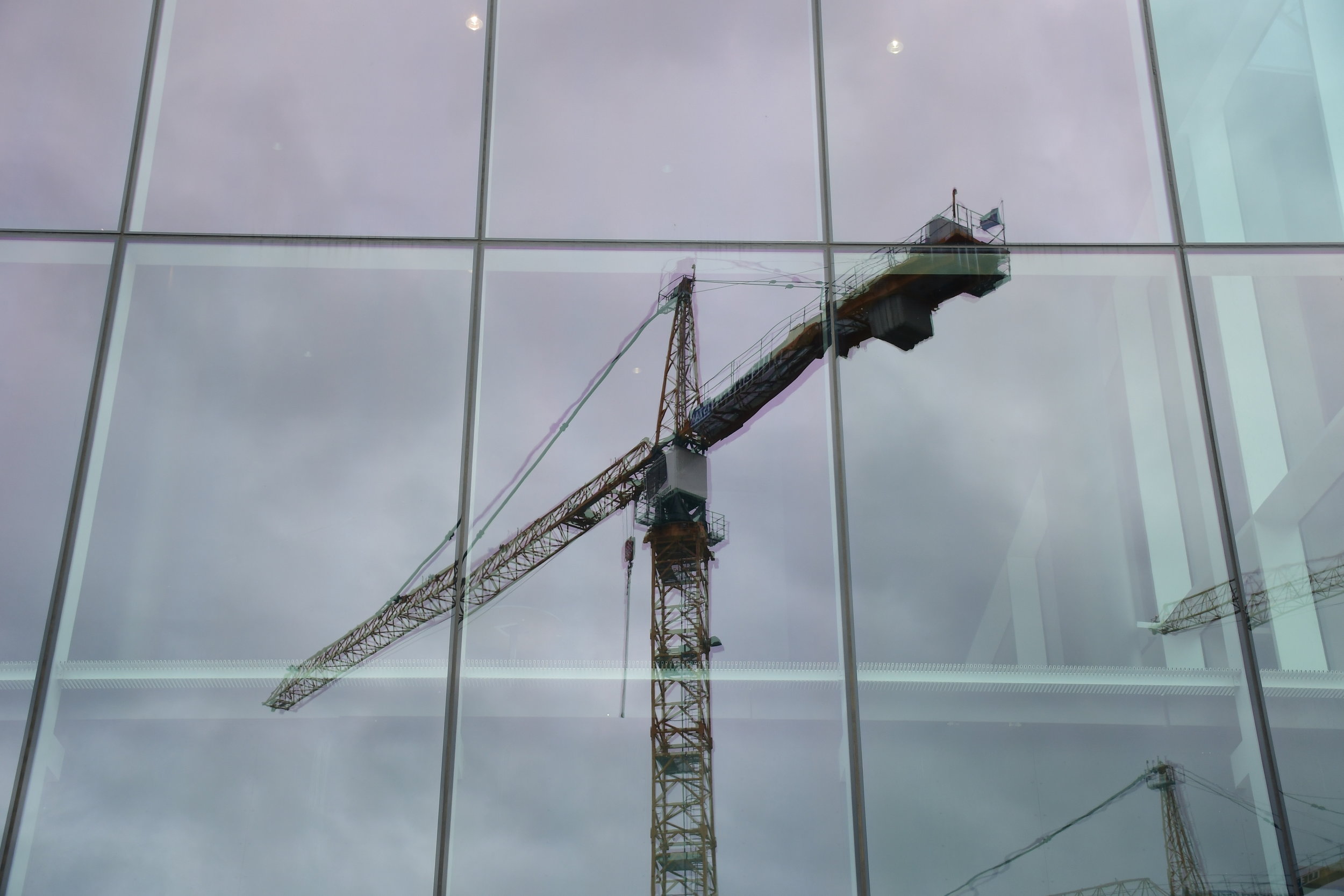
walking through the grey of a reykjavík summer day, harpa rises up along the coast like a futuristic glass barnacle.
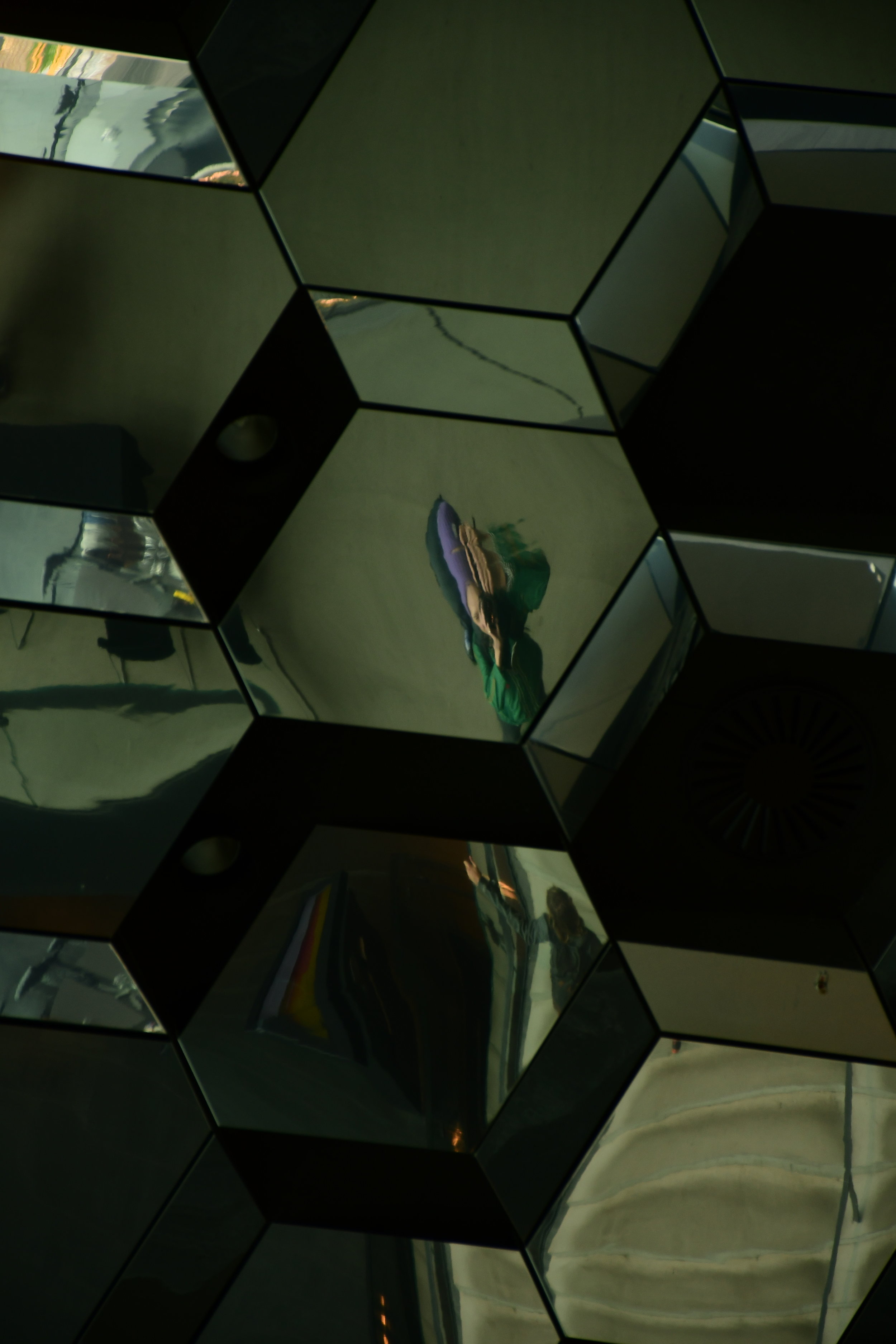
I wander inside to escape the cold. everything is blue hued. the sail boats in the harbour perfectly still.
+++
holding its first concert in 2011, the harpa concert hall replicates the basalt landscape of iceland using sculpted & coloured glass. construction began in 2007 but was halted during the 2008 icelandic financial crisis until the government decided to complete the project. because of the crisis, for several years harpa was the only construction project occurring in iceland. it is now the home of the iceland symphony orchestra & the icelandic opera.
travel diary:
a tuesday morning strolling among the monuments to the dead in père lachaise. I have since discovered that the cemetery was opened exactly 184 years before my birth on 21 may 1804 (I come along on the same day in 1988).
the altars to the dead in père lachaise are spectacular. many topped with elaborate sculptures, stained glass windows, & miniature gothic cathedrals. this was not a place meant to be left abandoned. the dead would be expecting their survivors to stop by for a visit.
“Be silent in that solitude,
Which is not loneliness — for then
The spirits of the dead, who stood
In life before thee, are again
In death around thee, and their will
Shall overshadow thee; be still.”
père lachaise cemetery is the largest of its kind within paris' city limits. it is the final resting place of a long list of celebrated luminaries including oscar wilde, edith piaf, marcel proust, & jim morrison. receiving more than three million visitors per year, père lachaise is the most visited cemetery in the world.